Posted by Rachel Symonds on March 25, 2026 · Leave a Comment
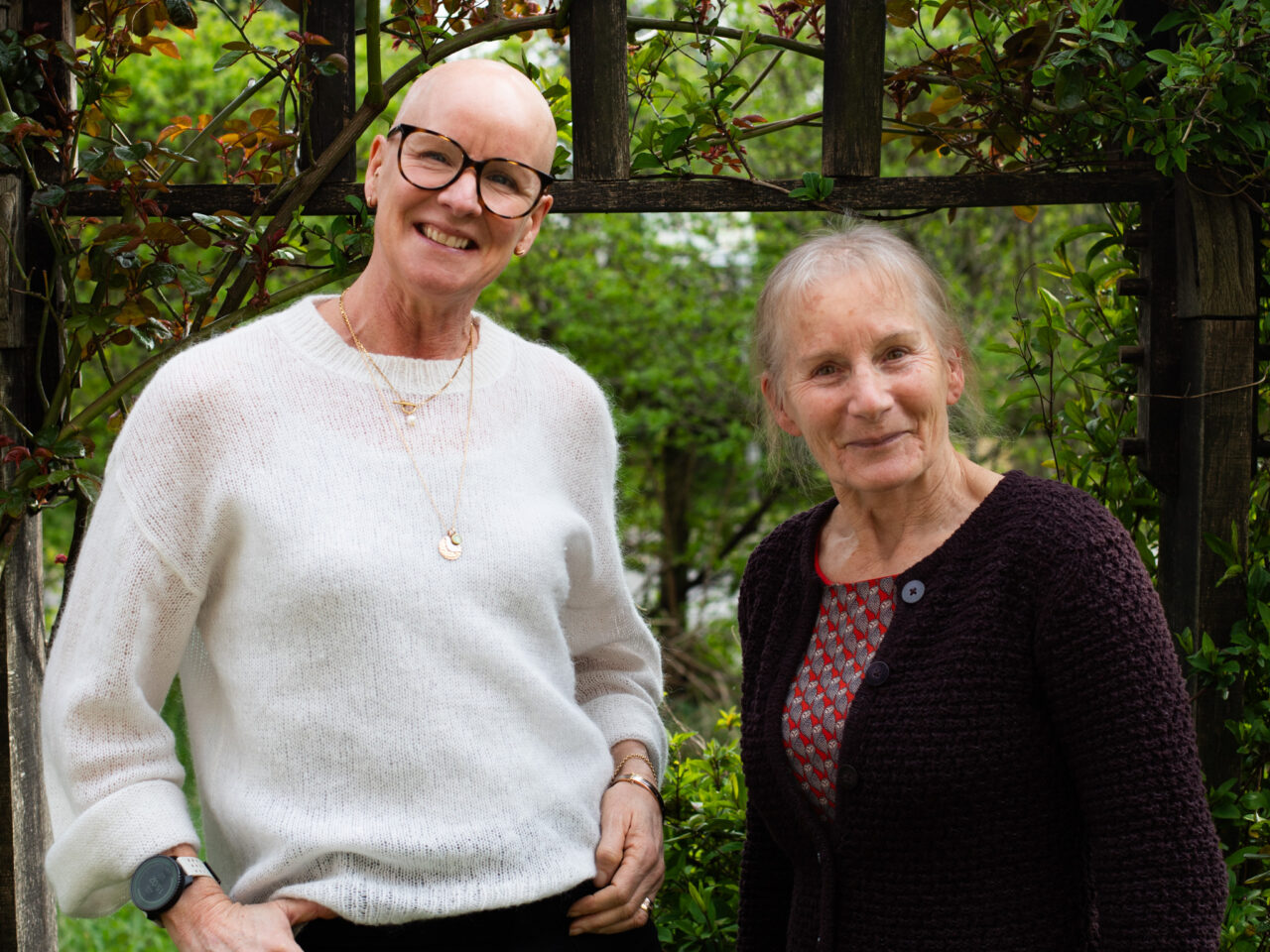
Natracare has announced a significant new chapter as it comes an Employee Ownership Trust (EOT), as a new CEO comes on board.
The pioneering brand behind the world’s first organic cotton tampon and compostable pads and panty liners has announced its parent company, Bodywise UK, has transitioned to an EOT as the founders take a step back. This ownership structure strengthens and safeguards the company’s long-term mission to care for people and the planet. Alongside this transition, Natracare says it is pleased to announce the appointment of Nina Davies as its new CEO, who joins with 25 years’ of leadership experience, and in recent years, has focused on the intersection of brand, culture and impact, creating campaigns and communities that inspire shared values and collective action.
Susie Hewson MBE, who founded Natracare in 1989 (pictured right, with Nina), commented: “From the beginning, Natracare was built to show that the personal care industry could be better for our bodies, communities and the planet. Transitioning to an Employee Ownership Trust ensures that these values remain protected and championed by the people who live them every day.”
Nina added: “The transition to employee ownership is particularly meaningful. It signals the shift from founder-led to future-led. A future where responsibility, contribution and reward are more widely shared. It enables us to foster a unique culture built on trust and commitment to care – seeing this come to life to deliver tangible and meaningful value for everyone will be the first signs of success.
“I’m incredibly proud to be stepping into the role of CEO at such an important moment in the company’s journey. This next chapter is about honouring the company’s founding values while building a business that grows responsibly and empowers people, both inside and outside the organisation, to be part of meaningful change. I believe that brands can play a critical role in shaping behaviour change and redefining a better future, and as the original pioneers of the organic period care category, Natracare is a shining example of this. I feel very privileged to be learning from two incredibly visionary founders, and to continue their campaign with such a strong and talented team. I’m thrilled to see the impact we can achieve together.”
As the founders begin to gradually step back from day-to-day leadership, choosing an EOT over private equity was an ethical decision as much as a strategic one. They wanted Natracare’s future to stay true to the values on which it was built, prioritising environmental responsibility, integrity and care for its people. EOT ownership keeps the company’s values in the hands of those who live them every day, rather than potential external investors driven by short-term returns. For Natracare employees, this means employees will collectively share in the company’s long-term value and achievements, while the model strengthens Natracare’s purpose, ensuring decisions are grounded in long-term benefits, not short-term financial gains. Employee ownership strengthens the connection between each person’s work and the brand’s commitment to ethical, sustainable care.
Posted by Rachel Symonds on March 24, 2026 · Leave a Comment
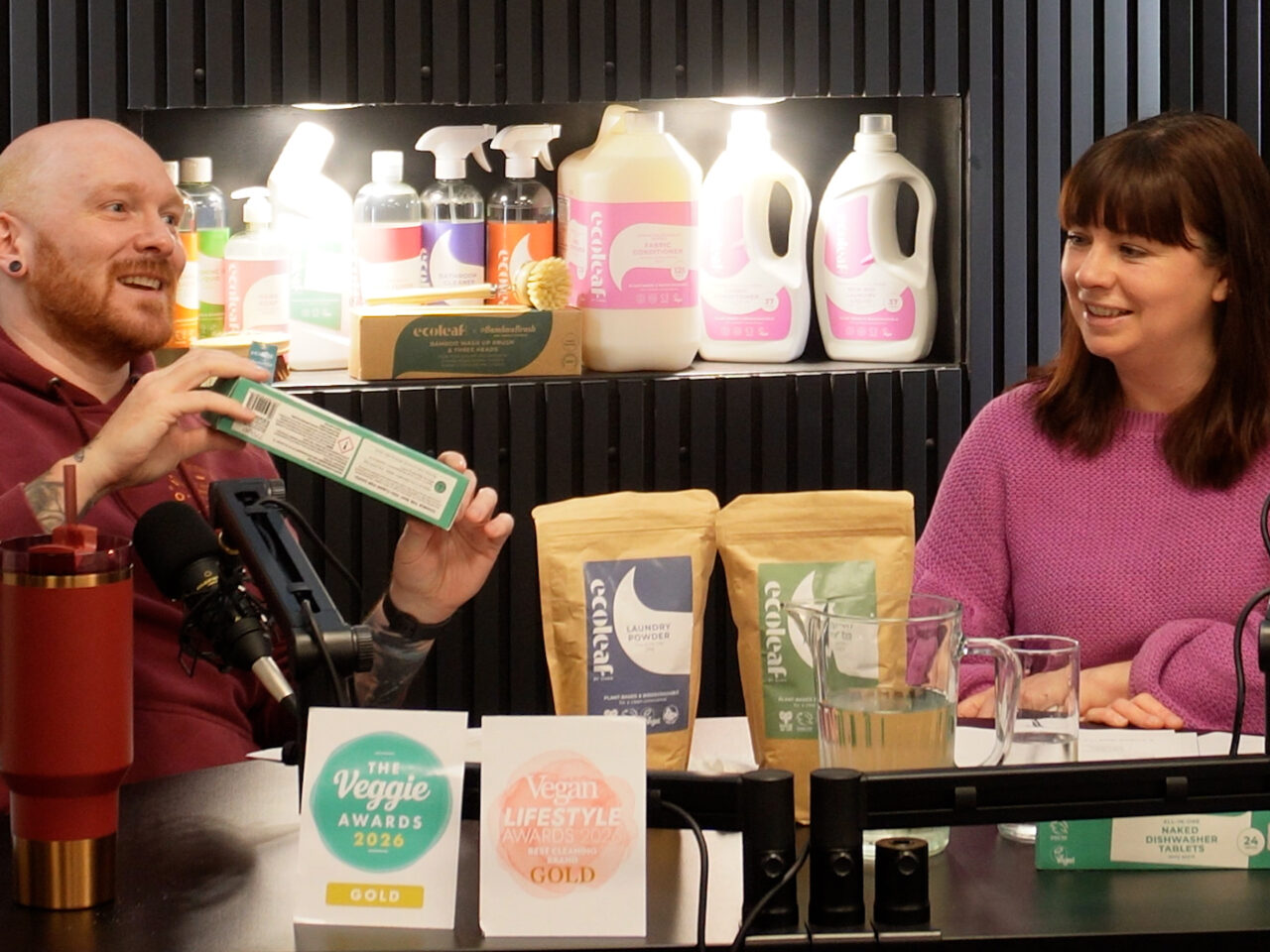
A new podcast has been announced by Suma designed to connect independent retailers to the people behind the products.
Suma Wholefoods has developed the new podcast, Altogether Better, designed to bring retailers closer to the people, values and innovation behind the products on their shelves. Each short episode offers direct access to the brands and experts shaping the world of wholefoods, ethical sourcing and sustainability. The podcast provides a fresh, convenient way to stay informed, inspired and connected, whether listening on the shop floor, on the move, or while planning product ranges.
In the first two episodes, Suma dives straight into what matters most to retailers and their customers:
- A conversation with sustainable cleaning brand, Seep, exploring how eco-conscious design and materials are redefining everyday household products.
- Insights from the product developer behind Ecoleaf by Suma, revealing the thinking, innovation and sustainability credentials behind one of Suma’s most trusted ranges.
The podcast is designed to offer listeners the inside story behind the products you stock, to discover new selling points and customer talking points, stay ahead of trends in sustainability and wholefoods, and hear directly from the brands your customers care about. Each episode is designed to be short, engaging and practical, making it easier than ever for retailers to deepen product knowledge and bring those stories to life in-store.
Posted by Rachel Symonds on March 19, 2026 · Leave a Comment

Weleda is celebrating 100 years of its Skin Food brand with the launch of a new larger pack size, along with a new partnership with acclaimed fashion designer, Stella McCartney.
Introduced in 1926, today, a tube of Skin Food Original sells every six seconds worldwide, with 30 million units sold in the last decade alone. To mark the 100-year anniversary, a new larger 100ml tube of Skin Food will launch this spring, retailing at a celebratory £19.26, and a centenary campaign joining legendary icons will be launched, with Skin Food partnering with the most visionary global voice in sustainable fashion – Stella McCartney – as well as international make-up artist and star of the BBC’s Glow Up, Val Garland.
Jayn Sterland, Country Manager at Weleda UK, commented: “We’re thrilled to see our cult-favourite Skin Food take centre stage at Stella McCartney’s Paris Fashion Week show, lighting up the runway with that unmistakable Skin Food Glow. As we celebrate 100 years of Skin Food, this beauty icon proves it’s more relevant than ever, a backstage beauty essential and make-up artist must-have that continues to fly off shelves worldwide with one sold every 2.5 seconds. Partnering with a true trailblazer like Stella McCartney is a dream come true, and we couldn’t be more excited to celebrate our hero product together.”
Stella added: “Weleda is such a great brand that has always stayed committed to natural, ethical and sustainable values without chasing trends – I really respect that, and I love Skin Food. My brand has never wavered from our core principles – we’ve been free from leather, feathers, fur and exotic skins since day one. So, to align with another company that proves integrity can last is truly meaningful.”
The Skin Food 100 Years campaign – spanning February to October – will amplify Skin Food’s credibility as the beauty essential VIPs cannot do without, celebrating Skin Food’s superfans and highlighting the many uses of this multi-tasking hero. Additionally, Skin Food will support the make-up teams and models for top fashion designers at London Fashion Week this February. Weleda also hosted the Weleda Model Lounge at London Fashion Week and a two-day pop-up for make-up artists.
Posted by Rachel Symonds on March 19, 2026 · Leave a Comment
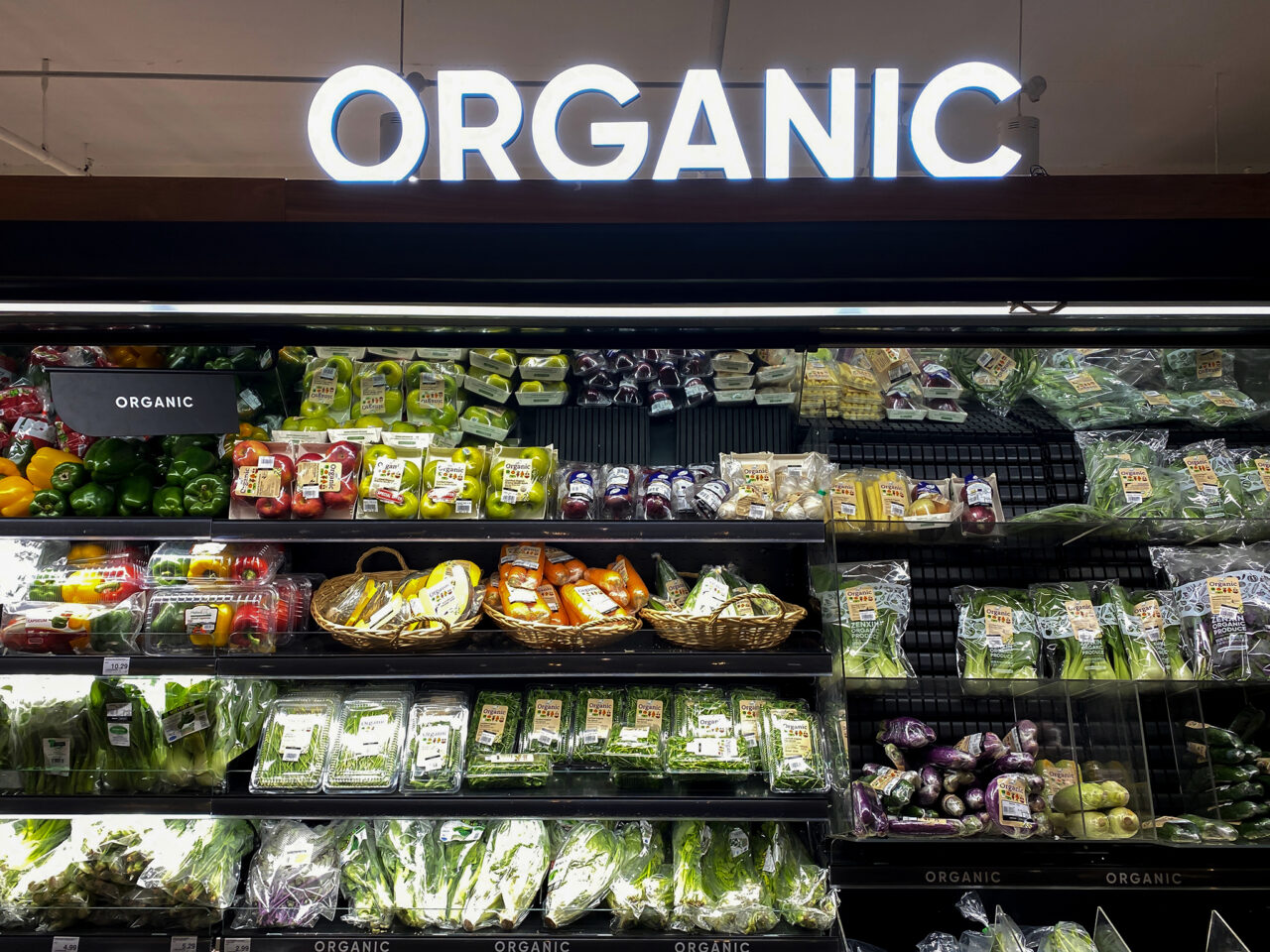
The UK’s organic food and drink market has grown by 4.2 per cent, outpacing organic and marking a doubling in a decade.
That is according to the Soil Association’s annual Organic Market Report, which revealed the sector is now worth some £3.9bn, and has entered its 14th consecutive year of growth.
The 2026 Organic Market Report, which tracks the value growth of the market over the previous year (Jan-Dec 2025), shows that overall sales of organic have increased by 4.2 per cent, with value sales in major retail growing by seven per cent, driven by uplifts in dairy, ambient grocery, fresh produce and meat, fish and poultry. The unit growth of organic in supermarkets is four times that of non-organic, at 1.2 per cent and 0.3 per cent respectively. The report also revealed that sales in independent retail are down 1.1 per cent, with retailers reporting lower volume sales and basket spend as consumers face rising costs in products like chocolate and coffee. Meanwhile, food service was down 1.5 per cent and home delivery down one per cent.
The report said: “Organic sales continue to grow. However, the category represents a small part (1.6 per cent) of the overall market. Barriers to growth include a frustrating lack of support for organic farmers, rising business costs, export challenges and inflation continuing to put pressure on both producers and consumers.”
Dairy has been one of the biggest drivers of growth, particularly organic milk and eggs which both returned a volume sales uplift of over eight per cent. Health is dominating consumer choices, with a desire for more protein, fibre and nutrient density driving purchases towards more whole foods. With a rising number of households in the UK having at least one GLP-1 drug user, the trend to smaller but more nutrient-rich meal portions will only become more prevalent. On a global level, the UK organic market is also looking healthy, sitting at the eighth largest market globally for retail sales of organic.
“The continued growth of the organic market reflects the strong consumer demand for healthier, more nature friendly food,” commented Alex Cullen, Commercial Director at Soil Association Certification. “Concerning headlines around both pesticides and PFAS or ‘forever chemicals’ in food, and their link to health issues, have no doubt also captured consumer attention and driven shoppers to look for the organic logo, a trusted signpost to fewer artificial pesticides, additives and higher welfare. Eighty-three per cent of households are buying organic and the frequency of organic purchases has increased in supermarkets, with shoppers on average buying organic once every three to four weeks – that’s 17 trips to buy organic a year. Businesses are wise to take notice and continue to make organic food and drink available and accessible in their stores so that consumer footfall continues to be captured.”
However, there remains an issue over production; the report found that while consumer demand remains strong, this is still largely being met by imports because the UK’s overall organic production remains stagnant. The latest DEFRA figures (covering 2024) have the overall percentage of UK farmland stuck at three per cent, and while there was an increase in land in-conversion in England last year, this dramatically slowed when Sustainable Farming Incentive (SFI) payments were frozen. Contrast this with Scotland, where the Scottish Organic Action Plan launched in January, has seen Holyrood commit to a three-year, £200,000-invested strategy aimed at expanding organic land, increasing production, and boosting demand for Scottish organic products, with strategic routes to market support such as public procurement.
Posted by Rachel Symonds on February 23, 2026 · Leave a Comment
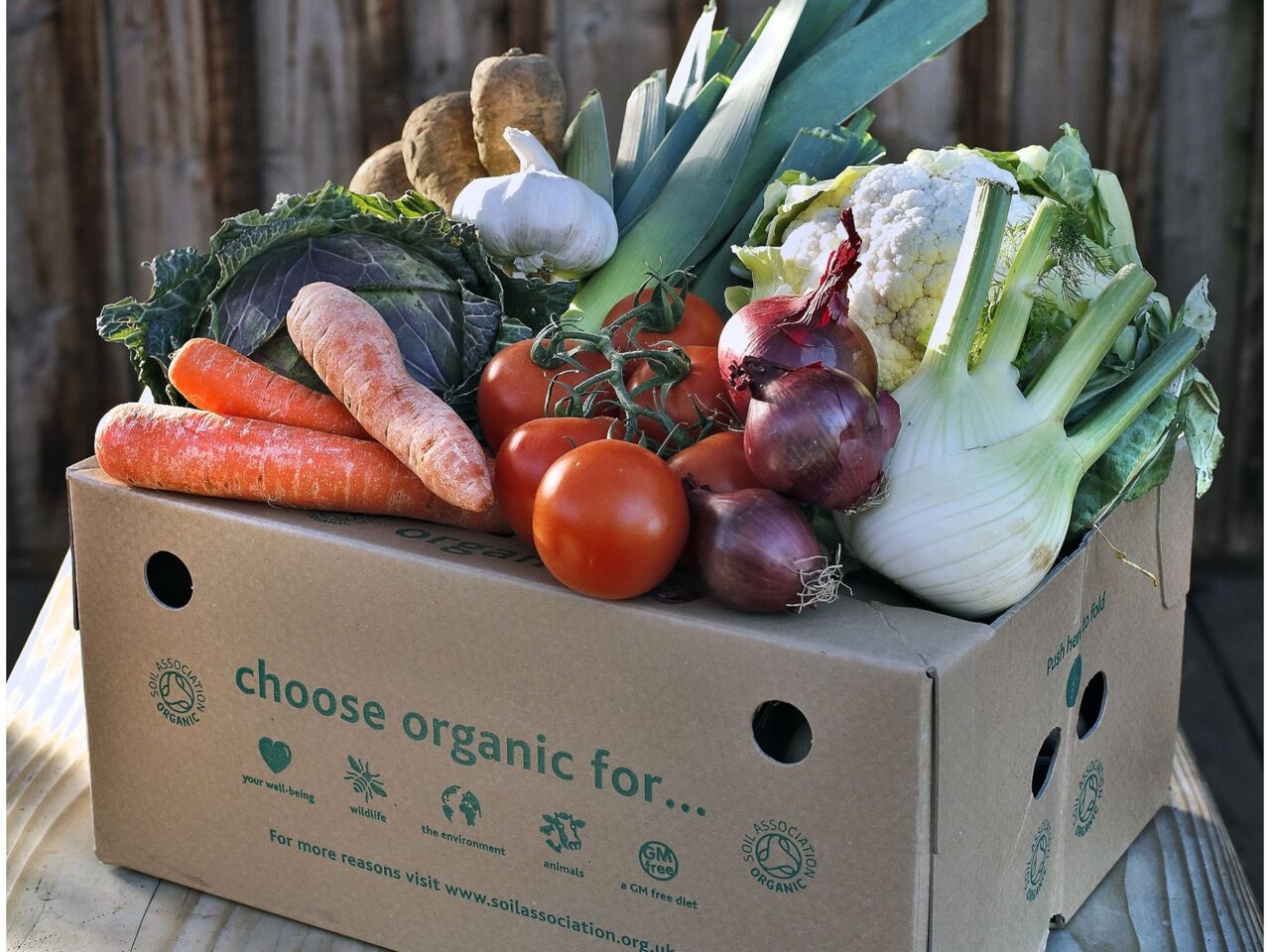
The Soil Association has said the organic sector is holding its breath as it awaits a long overdue government announcement around reinstatement of support.
The government is expected to announce details around the revised Sustainable Farming Incentive (SFI) scheme during a speech at the NFU conference tomorrow (February 24). The scheme is set to reopen this summer after its abrupt closure in March last year. The announcement tomorrow is hoped to provide detail on the new SFI. Government is expected to signal a revised set of support options, which is set to consist of a smaller list than the previous scheme.
Since that closure, the government has not yet renewed its commitment to supporting organic farming in recognition of the environmental benefits it delivers. This is in stark contrast to Wales, Scotland and the EU where the sector has support, with Scotland launching an Organic Action Plan last month to help meet its goal to double organic farmland. The EU has also committed to achieving at least 25 per cent organic farmland by 2030. Meanwhile, organic land in England has remained largely static at around three per cent for a decade, despite demand and the market worth £3.7bn after 13 years of consecutive growth.
In a statement, the Soil Association said that prior to March 2025’s shock closure of the SFI to new entrants, the government had for decades provided support for farmers during the two-year conversion period to organic, and after that for ongoing management of land adhering to the strict environmental standards required. This helped farmers during the conversion period, in which they cannot sell their products with the organic logo and often need to take land out of production while it adapts to the changes. After conversion, it helps farmers to deal with any higher costs that can come with deepening their delivery of higher environmental and animal welfare standards.
Soil Association Policy Director, Brendan Costelloe, commented: “When the SFI abruptly closed last year, all farmers who were making nature-friendly plans were left feeling frustrated and betrayed. We heard from farmers who put their plans on hold, including many of those who had plans to go organic. More than a year on, the organic sector is holding its breath as it continues to wait for a renewed commitment from government. By avoiding harmful, fossil-fuel based pesticides and fertilisers, organic farmers work with nature to deliver key benefits to society that must be recognised. This is essential as the care taken by organic farmers can mean they face higher costs. There is a lot of nervousness that the government will recklessly pull the rug out on this support.”
This comes as a review by the Soil Association of recent figures show that spend on organic made up just over one per cent of SFI expenditure between October 2024 and October 2025. This, the Soil Association claims, is value for money as it delivers proven environmental benefits across entire farms, rather than smaller actions. It also reduces the government’s administrative burden by being backed by a rigorous certification process, and a legally defined set of standards.
Farmers awaiting a government commitment on organic include farmers who:
- Are not currently in a scheme receiving payments via SFI or the former Countryside Stewardship system – for many this may be a result of the abrupt closure last year or misunderstanding amid many changes to farming support policy.
- Are in existing Countryside Stewardship agreements, including temporary extensions granted last year, that are due to come to an end later this year.
- Have just finished or are approaching completion of organic conversion, and are expecting to change over to payments for organic management.
Costelloe added: “Removal of ongoing support for organic farmers could potentially risk undermining a system that is proven to boost biodiversity and farm resilience with healthier soils that are more tolerant to flooding and drought. It would also leave the booming market for organic increasingly dependent on imports from the EU, and English organic farmers at a disadvantage to those in Scotland and Wales where support is offered. If the government is serious about supporting profitable, nature-friendly farming and meeting the UK’s environmental obligations, it is vital it backs organic as one of the strongest tools we have. This is a key opportunity for England to catch up in the race to deliver a truly sustainable farming system.”

 Organic & Natural Business magazine