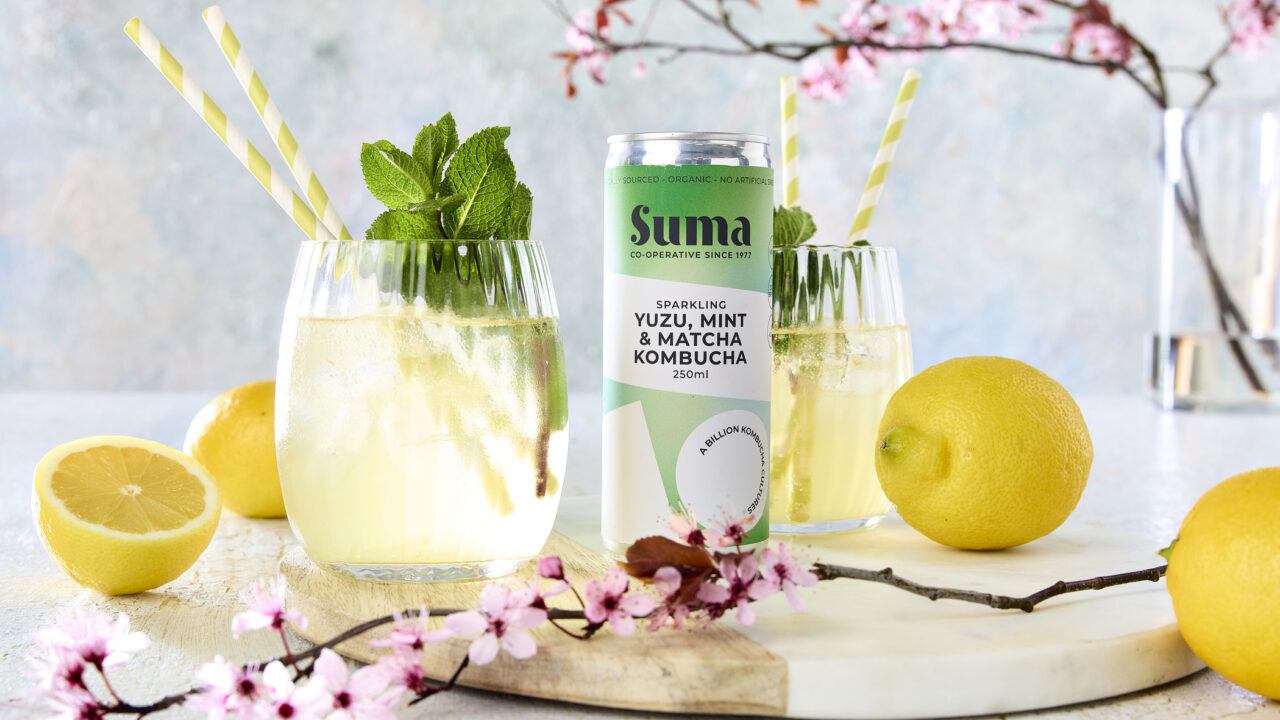
Suma is celebrating after its kombucha secured gold at The Grocer New Product Awards. The worker-owned wholefood co-operative won the award for its Organic Yuzu, Mint & Matcha…
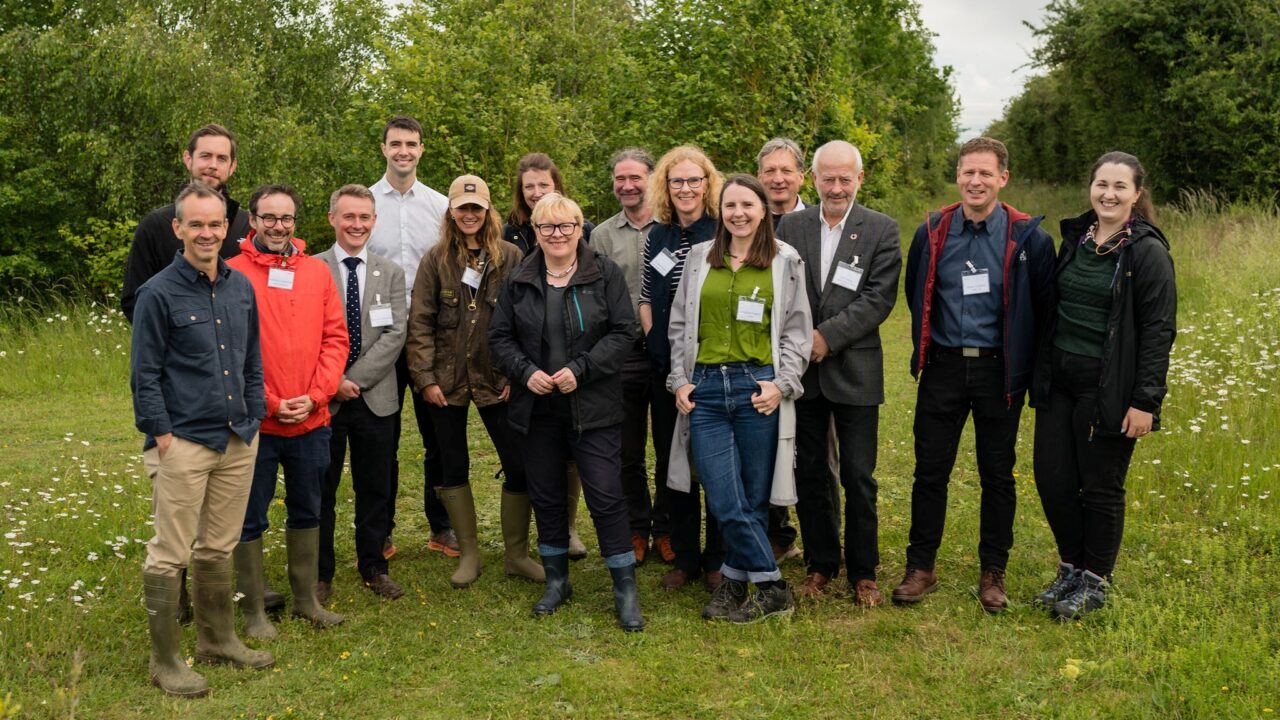
The organic sector has welcomed Government plans to grow British organic farming and food as it publishes the long-awaited Organic Action Plan for England. Published today (October 14),…

As part of the centenary celebrations for Skin Food, Weleda has launched a number of exciting collaborations. The fanfare around the original Skin Food, including the release of…
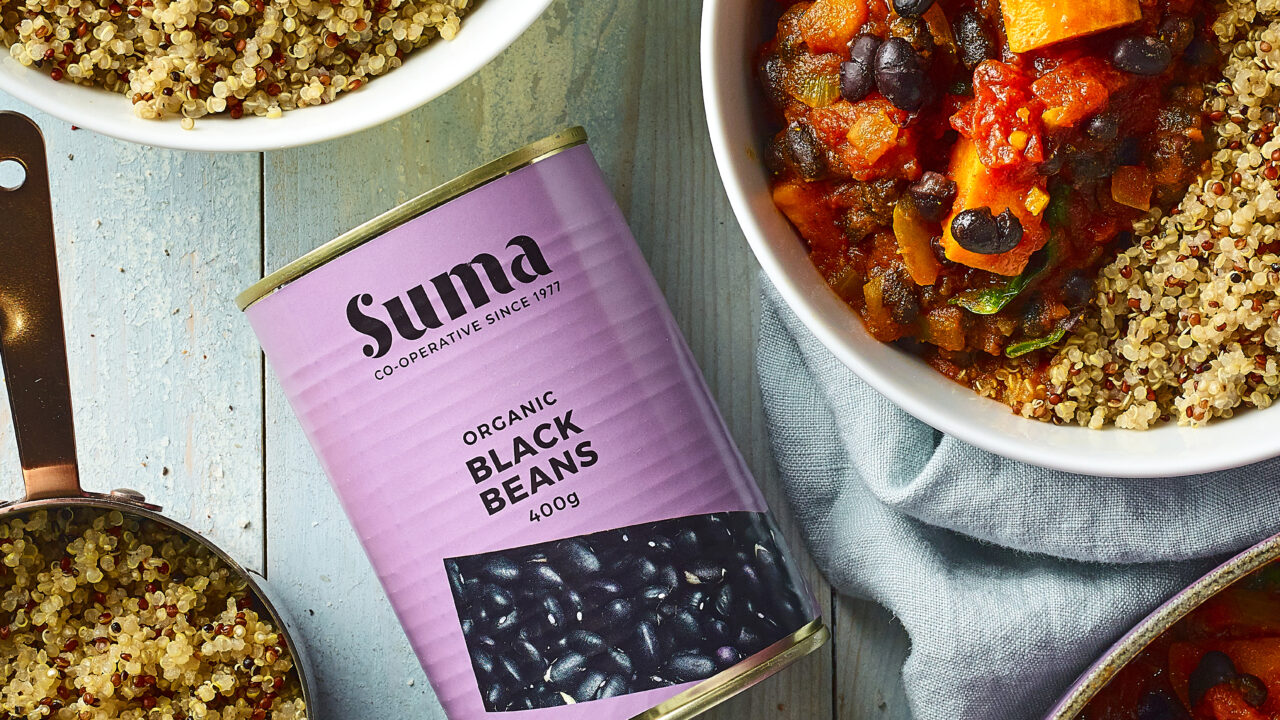
Suma is adding its support to National Vegetarian Week as a sponsor. Launching today (October 1), the event runs until October 7 and sees the co-operative join as…

Pukka Herbs and environmental charity, the Eden Project, are marking Organic September by celebrating 10 years of partnership, as both organisations reach their 25th anniversaries. Since 2016, the…
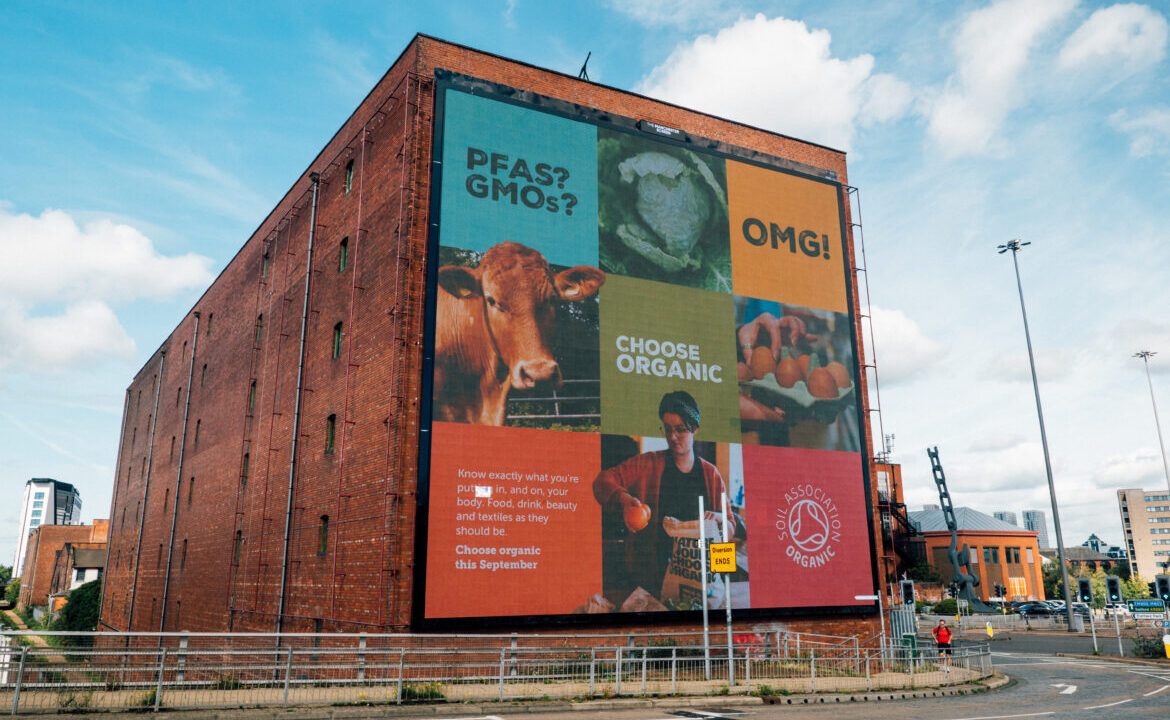
The Soil Association launched Organic September with a bang by taking over the UK’s largest billboard. The month-long campaign kicked off yesterday and saw the Soil Association taking…
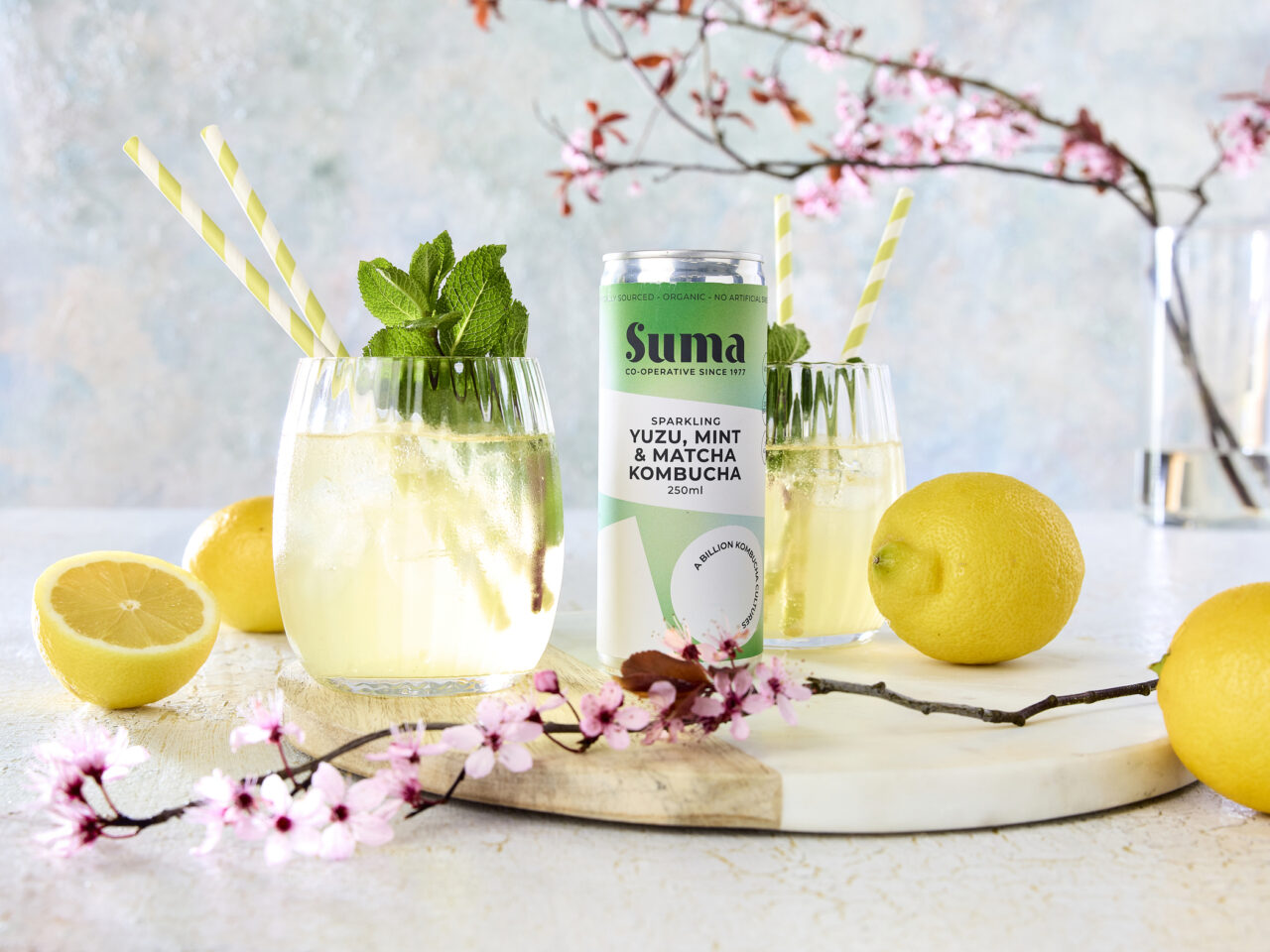
Suma is celebrating after its kombucha secured gold at The Grocer New Product Awards.
The worker-owned wholefood co-operative won the award for its Organic Yuzu, Mint & Matcha Kombucha, which was announced at a ceremony at the Hilton on Park Lane, London, on October 16.
The winning kombucha brings together three distinctive flavours: bright yuzu citrus, cooling mint and a subtle matcha finish. Craft-brewed using organic chun-mee green tea and traditionally fermented, it offers a fresh take on a familiar favourite in the drinks chiller. The product is organic and vegan, reflecting Suma’s long-standing focus on vegetarian food and its broad range of products for people with different tastes and ways of eating.
The Grocer New Product Awards celebrate innovation across the food and drink industry, and Suma faced strong competition in its category.
A Suma spokesperson commented: “For Suma, the award is a welcome moment of recognition for a co-operative that has spent almost five decades championing vegetarian food and bringing interesting products to shoppers.”
The organic sector has welcomed Government plans to grow British organic farming and food as it publishes the long-awaited Organic Action Plan for England.
Published today (October 14), the Organic Action Plan for England (OAPE) sets out how government and the organic sector will work together from 2026 to 2036 and beyond, to grow domestic production, improve market opportunities and help more people understand what organic farming offers. Publication of the plan is the next step in the delivery of government’s ‘Farming Roadmap 2050: Growing England’s Future’, which acknowledges the vital role that organic systems play in improving soil health, cutting chemical and synthetic inputs, and supporting biodiversity.
Defra has collaborated with the English Organic Forum (EOF), a group of organic organisations that work together to represent the sector, to develop a plan that responds to the sector’s needs, with direct input from organic producers and sector leaders across the country. Defra and the EOF will jointly oversee its delivery. The plan is primarily focused on England, but some actions will involve partners across the UK. The OAPE recognises that organic farming is not the right choice for every farm but, for some businesses, organic production can offer a stronger route to market and lower exposure to some input costs.
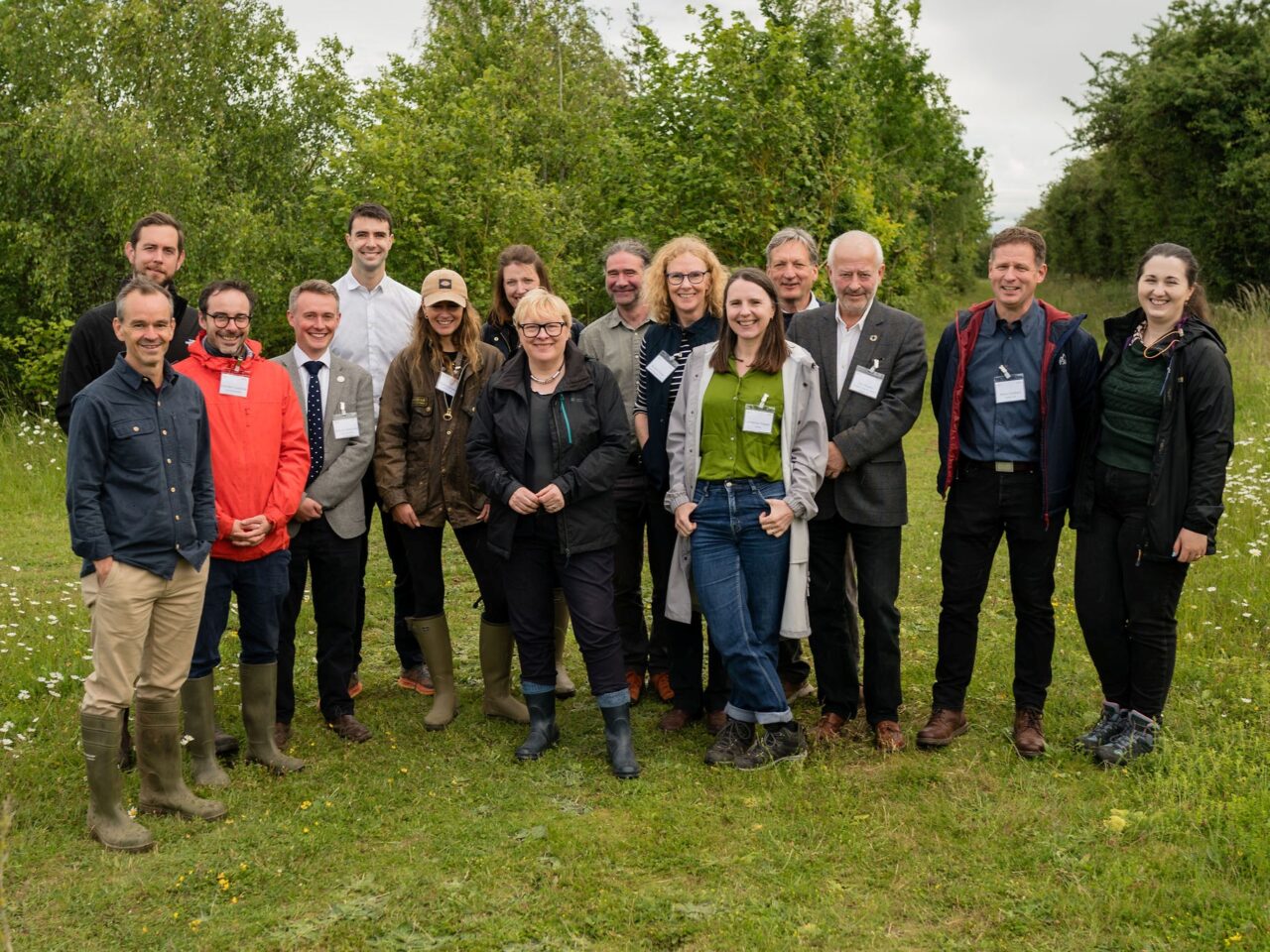
In publishing the plan, in a statement, Dame Angela Eagle DBE MP, Secretary of State for Environment, Food and Rural Affairs, (pictured during a visit to a Riverford farm), said: “Together, we will remove barriers, develop the market for organic products, help more people understand how organic food is produced, strengthen supply chains and open up new opportunities for businesses across the sector. The plan also recognises how organic farmers can help maintain healthy soils, support biodiversity and produce food sustainably. Organic farming should not be treated as a niche. More people are looking closely at where their food comes from, how it is produced and whether it meets standards they value. They want confidence in the choices available to them and access to high-quality food.
“As demand for organic products grows, we want farmers, businesses and consumers to share in the benefits. That means more opportunities for producers, stronger domestic supply chains and greater choice for consumers. Organic food should not be viewed as something available only to a select few. As the sector grows, high-quality organic food should become a more visible and accessible choice for households across the country. The plan is part of the government’s wider work with the farming industry. Organic is one path among several towards farming that is both productive and good for the land. But its long experience of nurturing soils, supporting wildlife and relying less on synthetic inputs holds lessons for everyone. It can make a real contribution to our goals for nature, food security and rural growth.”
The EOF was among the first to welcome the plan, with Adrian Steele, Co-chair of the English Organic Forum and Soil Association Farming Advisor, commenting: “An Organic Action Plan for England is a win for the UK’s food and farming system. It recognises that more organic land can help the government to deliver its wider environmental goals, from healthier soils and cleaner water to more biodiversity and less reliance on artificial inputs like pesticides. With growing consumer demand for organic often being met by imports, we have long called for a more joined-up approach that breaks down supply chain barriers and helps farmers meet that demand. England has an innovative and entrepreneurial food and farming sector, and we welcome this plan which we hope will create the right conditions for organic farmers, growers and businesses to invest and thrive.”
The EOF added that success will ultimately be measured by not simply the publication of an action plan, but by whether more farmers are able to convert, more British organic food reaches the market and a greater share of the growing consumer demand is met from domestic production. For farmers to make that transition and for existing organic businesses to prosper, stronger, ringfenced financial support will also be needed through the Sustainable Farming Incentive (SFI). EOF members will continue to engage with Defra on how future SFI support can better enable the organic sector to thrive.
Also commenting was Organic Farmers & Growers (OF&G), with Chief Executive, Steve Clarkson, adding: “The Organic Action Plan for England (OAPE) has been a long time in the making and marks a considerable milestone for the organic sector. Through our role in the English Organic Forum, the plan has been co-developed and we look forward to overseeing its delivery across three themes that seek to increase and better manage organic supply, increase domestic production, and grow demand through increased consumer awareness and demand from the public sector.
“The plan acknowledges the strong body of evidence that supports organic’s capacity to restore nature, reduce chemical exposure, deliver sustainable resources such as improved soil health, as well as its positive outcomes for climate change adaption. As such, the plan’s vision for organic closely aligns with wider government policy commitments on food, farming and the environment. By recognising organic’s contribution across multiple strategic priorities and coordinating with leading sector stakeholders, this joined up approach presents the best possible opportunity for the organic sector to maintain growth and play a pivotal role at the heart of food production in England moving forward.”
Rob Haward, CEO of organic veg box company, Riverford, added: “We should be growing more of the organic fruit and veg we eat here in the UK. Demand is growing, but too much of the opportunity is being met through imports. The Organic Action Plan for England is a chance to give growers the confidence and practical support to convert to organic, invest and grow more. That means more British organic fruit and veg on our plates, stronger local supply chains and a more resilient future for UK horticulture.”
Image caption: Dame Angela Eagle meeting with farmers, businesses and organisations from across the organic sector at Sacrewell Farm, a Riverford farm. Image credit: Riverford.

As part of the centenary celebrations for Skin Food, Weleda has launched a number of exciting collaborations.
The fanfare around the original Skin Food, including the release of a special centenary 100ml pack, has seen a 12 per cent increase right across the full Skin Food range. And the celebrations continue into October, with Skin Food positioned at the heart of cultural fashion moments, including both London Fashion Week and Paris Fashion Week.
Furthermore, high profile ambassadors continue to generate excitement, driving demand via social media activity, digital marketing, sponsorship and sampling. Weleda’s collaboration with renowned make-up artist, Val Garland, builds this month with a limited-edition Skin Food pack created for Val’s “iconic multi-tasker”. Val is beloved by the beauty industry for her authentic voice, and her bold creativity and sense of fun has made her a household name as judge and host of BBC’s Glow Up. Later this autumn, Weleda will introduce a new Val Garland Glow Makeup Brush Gift Set as the ultimate Christmas gift, featuring Skin Food Original, Skin Food Light, Skin Food Glow Drops, and Skin Food Lip Balm, together with an exclusive dual-ended makeup brush in a limited-edition cosmetics pouch designed with Val.
And that’s not all; Weleda’s Centenary partnership with designer, Stella McCartney, continues with her SS27 Paris runway show. Rooted in cruelty-free principles and a deep respect for both nature and craftsmanship, the collaboration reflects a shared belief: true beauty is as responsible as it is radiant. Backstage in the Skin Food Glow Studio, Weleda’s team of expert estheticians prep models’ skin using signature products from the Skin Food range.
McCartney commented: “Having Weleda Skin Food backstage to prep our models’ skin makes perfect sense; Weleda has stayed true to its principles for generations, with an incredible respect for nature and sustainability at the heart of every product. For me, this partnership is about using our collective voices to show that there is another way; joining forces, sharing what we have learnt and proving that doing things differently can have real impact.”
For London Fashion Week, Weleda also sponsored the Agro Studio SS27 catwalk show at Collins’ Music Hall in Islington, where Skin Food prepped and polished models’ skin, and sponsored the catwalk show of London-based designer, Mark Fast. Weleda also hosted a two-day Makeup Artist Drop-In in Bloomsbury, the creative heart of London where the British Weleda Company was first established back in 1925. And, throughout London Fashion Week, Weleda supported models in the Weleda Model Lounge, a sanctuary and wellbeing hub for models to relax and unwind between castings and shows, fittings and photoshoots, that Weleda has hosted for 18 years.
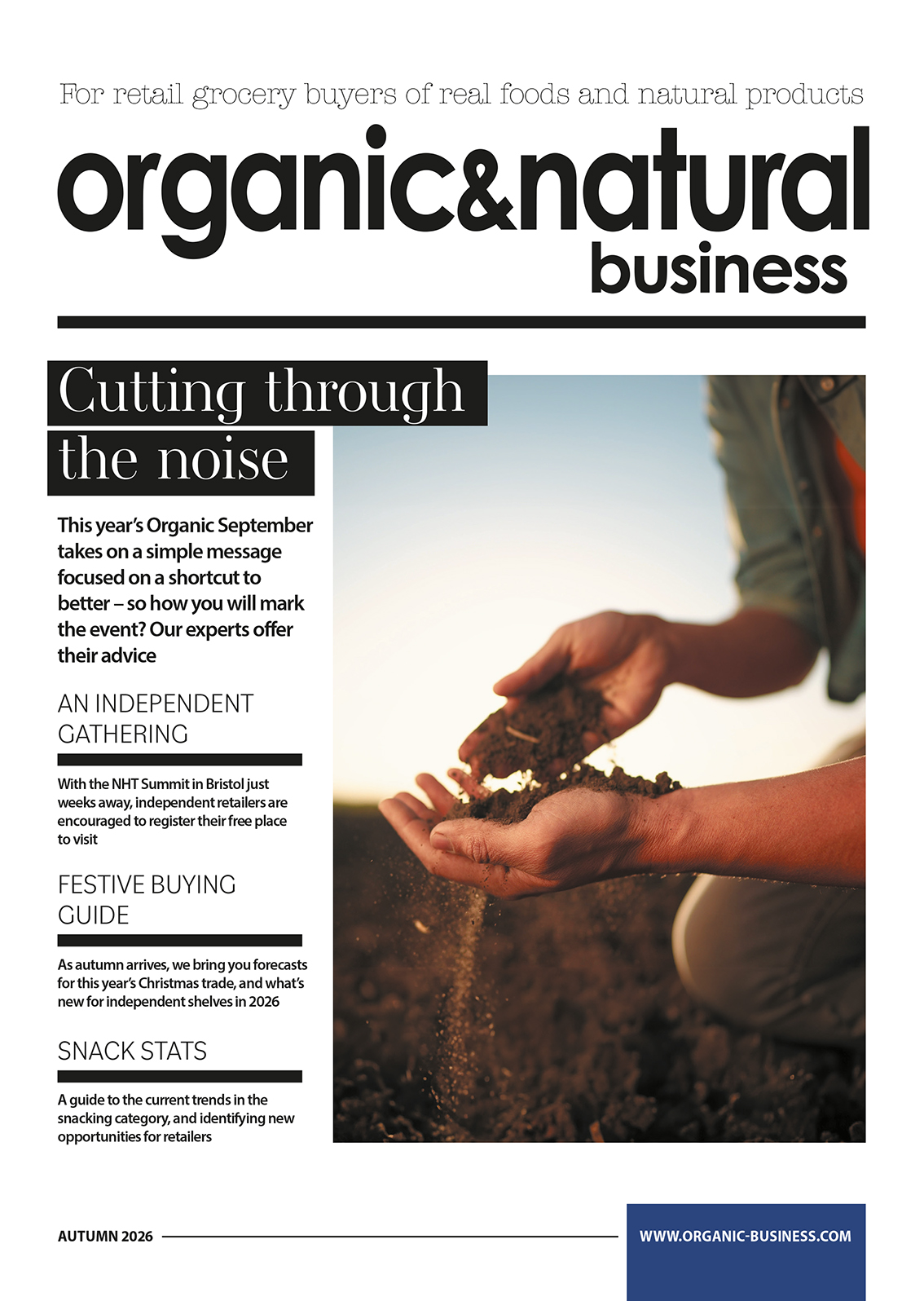


 Organic & Natural Business magazine