 Organic & Natural Business magazine
Organic sector “holding its breath” as Government support due to be announced
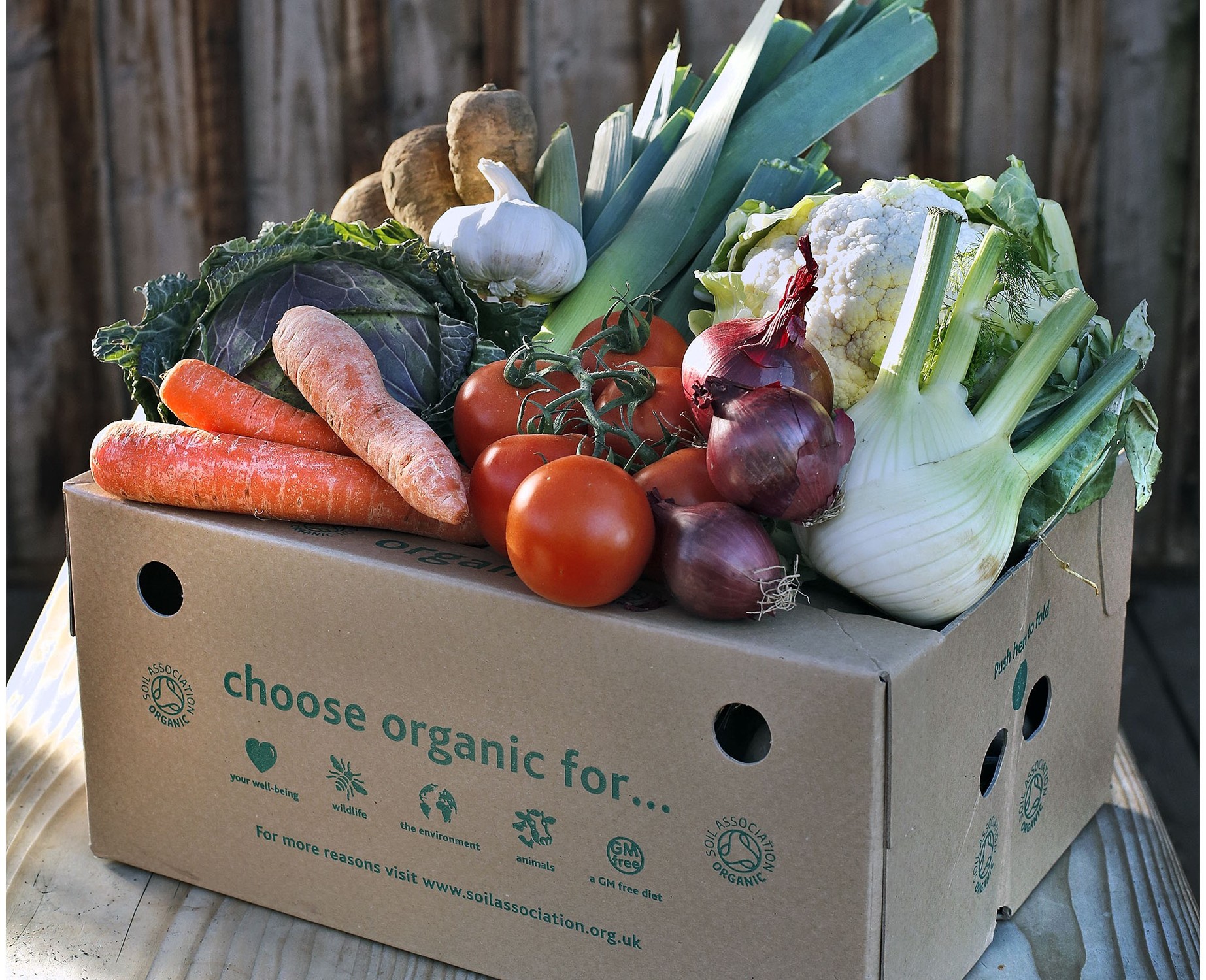
The Soil Association has said the organic sector is holding its breath as it awaits a long overdue government announcement around reinstatement of support.
The government is expected to announce details around the revised Sustainable Farming Incentive (SFI) scheme during a speech at the NFU conference tomorrow (February 24). The scheme is set to reopen this summer after its abrupt closure in March last year. The announcement tomorrow is hoped to provide detail on the new SFI. Government is expected to signal a revised set of support options, which is set to consist of a smaller list than the previous scheme.
Since that closure, the government has not yet renewed its commitment to supporting organic farming in recognition of the environmental benefits it delivers. This is in stark contrast to Wales, Scotland and the EU where the sector has support, with Scotland launching an Organic Action Plan last month to help meet its goal to double organic farmland. The EU has also committed to achieving at least 25 per cent organic farmland by 2030. Meanwhile, organic land in England has remained largely static at around three per cent for a decade, despite demand and the market worth £3.7bn after 13 years of consecutive growth.
In a statement, the Soil Association said that prior to March 2025’s shock closure of the SFI to new entrants, the government had for decades provided support for farmers during the two-year conversion period to organic, and after that for ongoing management of land adhering to the strict environmental standards required. This helped farmers during the conversion period, in which they cannot sell their products with the organic logo and often need to take land out of production while it adapts to the changes. After conversion, it helps farmers to deal with any higher costs that can come with deepening their delivery of higher environmental and animal welfare standards.
Soil Association Policy Director, Brendan Costelloe, commented: “When the SFI abruptly closed last year, all farmers who were making nature-friendly plans were left feeling frustrated and betrayed. We heard from farmers who put their plans on hold, including many of those who had plans to go organic. More than a year on, the organic sector is holding its breath as it continues to wait for a renewed commitment from government. By avoiding harmful, fossil-fuel based pesticides and fertilisers, organic farmers work with nature to deliver key benefits to society that must be recognised. This is essential as the care taken by organic farmers can mean they face higher costs. There is a lot of nervousness that the government will recklessly pull the rug out on this support.”
This comes as a review by the Soil Association of recent figures show that spend on organic made up just over one per cent of SFI expenditure between October 2024 and October 2025. This, the Soil Association claims, is value for money as it delivers proven environmental benefits across entire farms, rather than smaller actions. It also reduces the government’s administrative burden by being backed by a rigorous certification process, and a legally defined set of standards.
Farmers awaiting a government commitment on organic include farmers who:
- Are not currently in a scheme receiving payments via SFI or the former Countryside Stewardship system – for many this may be a result of the abrupt closure last year or misunderstanding amid many changes to farming support policy.
- Are in existing Countryside Stewardship agreements, including temporary extensions granted last year, that are due to come to an end later this year.
- Have just finished or are approaching completion of organic conversion, and are expecting to change over to payments for organic management.
Costelloe added: “Removal of ongoing support for organic farmers could potentially risk undermining a system that is proven to boost biodiversity and farm resilience with healthier soils that are more tolerant to flooding and drought. It would also leave the booming market for organic increasingly dependent on imports from the EU, and English organic farmers at a disadvantage to those in Scotland and Wales where support is offered. If the government is serious about supporting profitable, nature-friendly farming and meeting the UK’s environmental obligations, it is vital it backs organic as one of the strongest tools we have. This is a key opportunity for England to catch up in the race to deliver a truly sustainable farming system.”