Posted by Rachel Symonds on February 23, 2026 · Leave a Comment
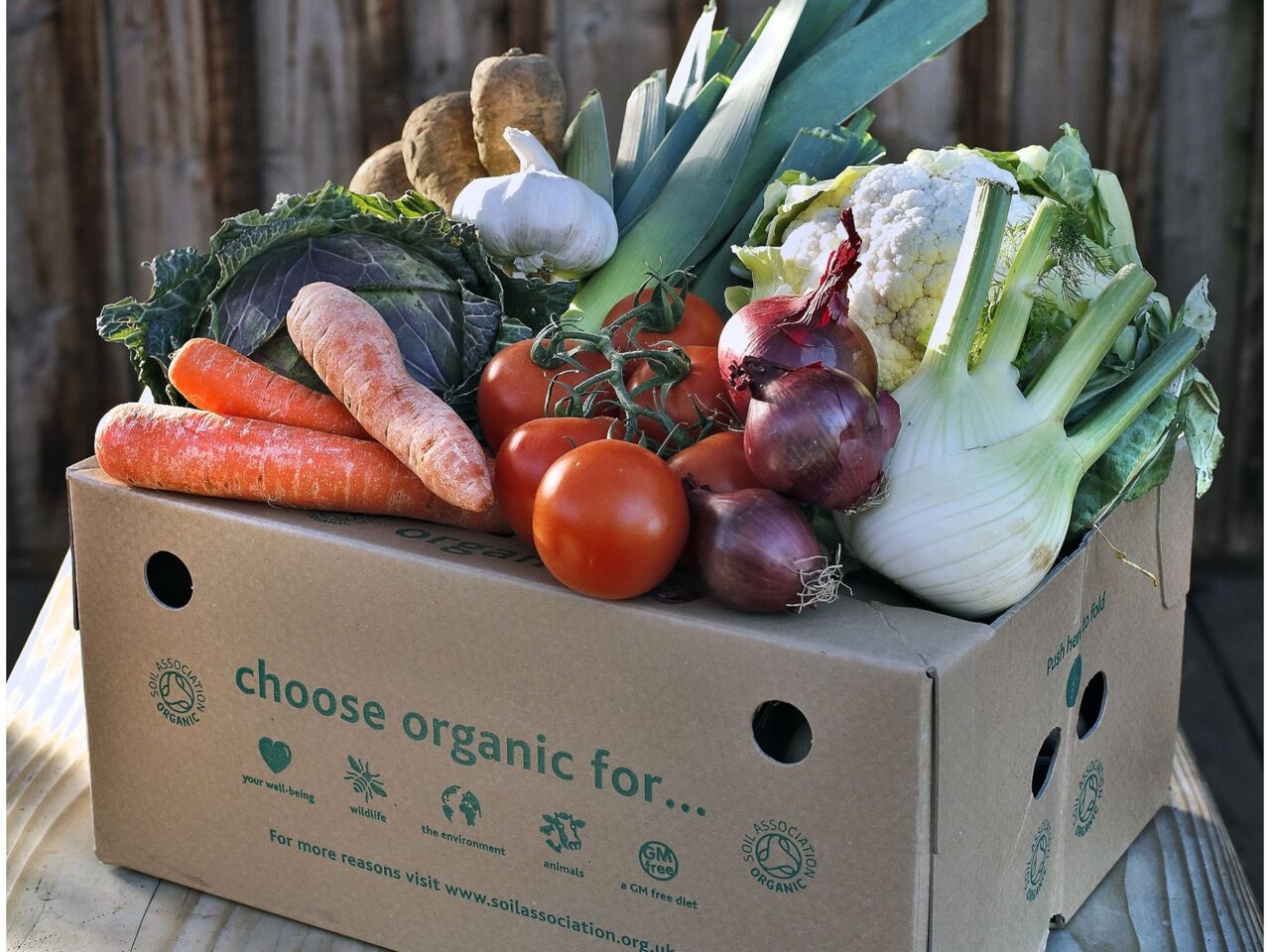
The Soil Association has said the organic sector is holding its breath as it awaits a long overdue government announcement around reinstatement of support.
The government is expected to announce details around the revised Sustainable Farming Incentive (SFI) scheme during a speech at the NFU conference tomorrow (February 24). The scheme is set to reopen this summer after its abrupt closure in March last year. The announcement tomorrow is hoped to provide detail on the new SFI. Government is expected to signal a revised set of support options, which is set to consist of a smaller list than the previous scheme.
Since that closure, the government has not yet renewed its commitment to supporting organic farming in recognition of the environmental benefits it delivers. This is in stark contrast to Wales, Scotland and the EU where the sector has support, with Scotland launching an Organic Action Plan last month to help meet its goal to double organic farmland. The EU has also committed to achieving at least 25 per cent organic farmland by 2030. Meanwhile, organic land in England has remained largely static at around three per cent for a decade, despite demand and the market worth £3.7bn after 13 years of consecutive growth.
In a statement, the Soil Association said that prior to March 2025’s shock closure of the SFI to new entrants, the government had for decades provided support for farmers during the two-year conversion period to organic, and after that for ongoing management of land adhering to the strict environmental standards required. This helped farmers during the conversion period, in which they cannot sell their products with the organic logo and often need to take land out of production while it adapts to the changes. After conversion, it helps farmers to deal with any higher costs that can come with deepening their delivery of higher environmental and animal welfare standards.
Soil Association Policy Director, Brendan Costelloe, commented: “When the SFI abruptly closed last year, all farmers who were making nature-friendly plans were left feeling frustrated and betrayed. We heard from farmers who put their plans on hold, including many of those who had plans to go organic. More than a year on, the organic sector is holding its breath as it continues to wait for a renewed commitment from government. By avoiding harmful, fossil-fuel based pesticides and fertilisers, organic farmers work with nature to deliver key benefits to society that must be recognised. This is essential as the care taken by organic farmers can mean they face higher costs. There is a lot of nervousness that the government will recklessly pull the rug out on this support.”
This comes as a review by the Soil Association of recent figures show that spend on organic made up just over one per cent of SFI expenditure between October 2024 and October 2025. This, the Soil Association claims, is value for money as it delivers proven environmental benefits across entire farms, rather than smaller actions. It also reduces the government’s administrative burden by being backed by a rigorous certification process, and a legally defined set of standards.
Farmers awaiting a government commitment on organic include farmers who:
- Are not currently in a scheme receiving payments via SFI or the former Countryside Stewardship system – for many this may be a result of the abrupt closure last year or misunderstanding amid many changes to farming support policy.
- Are in existing Countryside Stewardship agreements, including temporary extensions granted last year, that are due to come to an end later this year.
- Have just finished or are approaching completion of organic conversion, and are expecting to change over to payments for organic management.
Costelloe added: “Removal of ongoing support for organic farmers could potentially risk undermining a system that is proven to boost biodiversity and farm resilience with healthier soils that are more tolerant to flooding and drought. It would also leave the booming market for organic increasingly dependent on imports from the EU, and English organic farmers at a disadvantage to those in Scotland and Wales where support is offered. If the government is serious about supporting profitable, nature-friendly farming and meeting the UK’s environmental obligations, it is vital it backs organic as one of the strongest tools we have. This is a key opportunity for England to catch up in the race to deliver a truly sustainable farming system.”
Posted by Rachel Symonds on February 23, 2026 · Leave a Comment
Farmers are being encouraged to apply for funding to convert to organic as Soil Association Scotland says it is the best time in decades to make the switch.
The window for the Agri Environment Climate Scheme (AECS) opens today (February 23), just weeks after the UK’s first nationally funded Scottish Organic Action Plan was launched by Scotland Food and Drink. The plan was launched to help meet the Scottish Government’s goals to boost organic farmland.
The annual opportunity closes on June 22 for combined applications and on July 31 for organic farmers. It is set to contribute to the Scottish Government’s goal of doubling organic farmland to more than 200,000 hectares this year. In addition to AECS, organic farmers and crofters will automatically be eligible for government support via the Basic Payment Scheme. Organic systems tick the animal health and welfare and integrated pest management areas from the whole-farm plan, due to requirements in organic for farmers to deliver high animal welfare and use natural solutions over pesticides.
Soil Association Scotland Co-Director, David McKay, commented: “In the past few years we have seen a rise in farmers seeking organic certification. This is tied to multiple reasons, from consistent policy support for conversion, high level political targets for growing organic land, to consumers increasingly becoming aware of the benefits of organic products. Recent statistics reveal that in Scotland, while the market share is still small, organic food and drink has grown by 20.6 er cent in five years. We believe right now is the best time in decades for farmers in Scotland to grab onto a market that is only growing.”
Sam Parsons, Farm Manager at Balcaskie Estate in Scotland, converted the farm to organic in 2016 and said the transition to organic had proved a success: “Economically, we are performing even better than our conventional system. We’re doing that whilst increasing employment, improving soil quality and biodiversity, and over time we expect profitability to increase further. Organic farming requires more planning, but you can also afford to take more gambles as there is lower risk and more variable outcomes in terms of yield.”
Soil Association Scotland and Soil Association Certification will be supporting the Organic Action Plan with a series of activities to help develop new markets to improve the accessibility of organic. This will include working with retailers and public settings to increase the range of Scottish organic food products available in stores, schools and hospitals across the UK. Work will also involve the development of a ‘basket’ of commonly bought food products that are grown in Scotland but have limited or no local or organic supply chains into the wholesale market, with a view to breaking down those barriers.
Posted by Rachel Symonds on February 10, 2026 · Leave a Comment
The annual Veganuary campaign has attracted a record-breaking 30m participants for the 2026 offering.
The non-profit organisation encouraging people to try vegan in January and beyond, is celebrating a record-breaking campaign with around 30m people worldwide taking part in Veganuary 2026. Nationally representative surveys were commissioned by Veganuary in 12 of its core campaign countries to establish the percentage of people who report having taken part in Veganuary during January 2026. Based on these results and the current population estimates for each country, Veganuary has calculated that roughly 30 million people worldwide chose to try vegan this January as part of Veganuary.
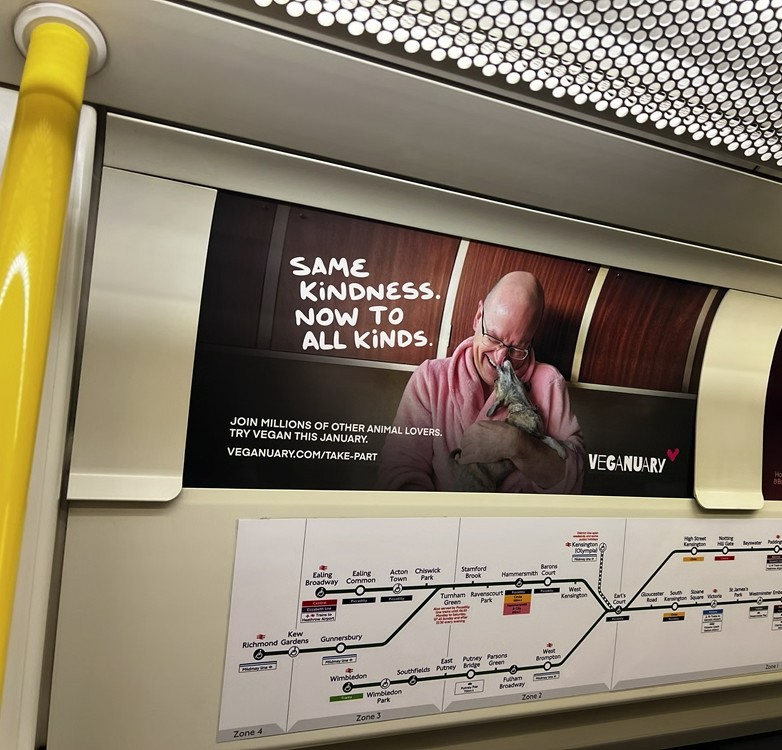
Returning for its 12 year, the campaign made its presence known once again; a London Underground billboard caught commuters’ attention with the message ‘Same kindness, now to all kinds’, while celebrities championed the campaign’s positive, welcoming approach to diet change. TV presenters, Kate Lawler and Kirsty Gallacher, took on the 31-day challenge while figures including Olivia Colman, Ainsley Harriott and Matthew Modine shared recipes and words of encouragement with participants. Veganuary’s global footprint also continued to expand in 2026. Official campaigns launched in Iceland and Ireland, and the pledge was available in Hindi for the first time, making the 31-day challenge accessible to millions worldwide.
Veganuary CEO, Wendy Matthews, commented: “There’s been plenty of talk in the media about interest in vegan fading. But the story worth telling is the one unfolding in kitchens, not in the comment section. Millions of people chose kindness this January – for themselves, for animals and for the planet. Veganuary is now firmly mainstream, and its continued growth is proof of what happens when people around the world put compassion into practice. We think that’s something truly worth celebrating and a powerful sign that conscious food choices are more than a passing trend.”
Posted by Rachel Symonds on December 18, 2025 · Leave a Comment
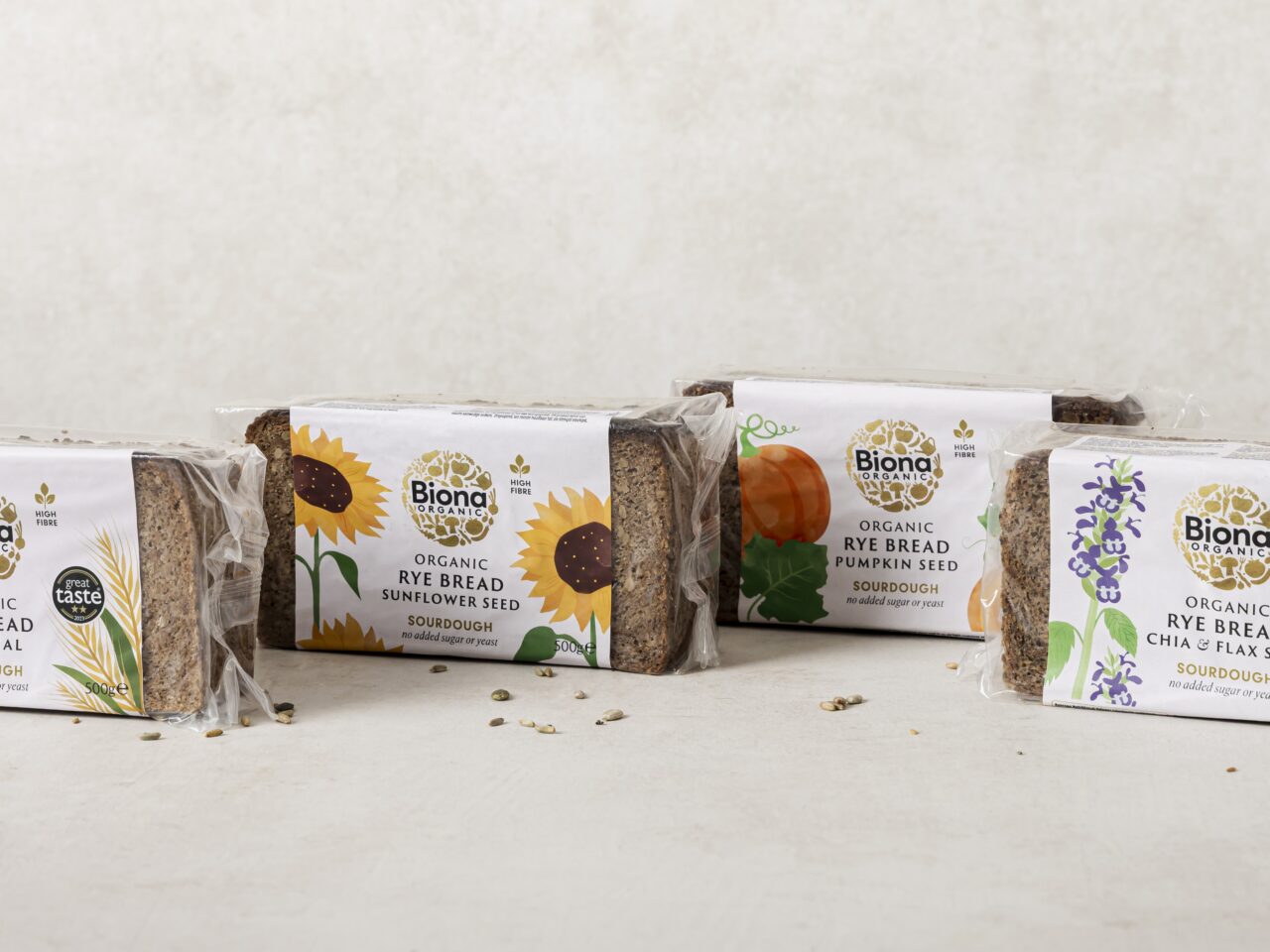
Organic food brand, Biona, has announced a new campaign encouraging consumers to switch processed sliced bread for rye alternatives.
The brand’s first Rye January encourages shoppers to ditch ultra-processed sliced bread and try their natural rye alternative. As part of the campaign, Biona has also carried out research which revealed 73 per cent of UK consumers are unable to identify the 10 most common additives and preservatives found in their daily bread.
The campaign highlights the growing concern that one of Britain’s most-eaten foods is also one of its most ultra-processed. Biona explains that this simple swap could make a measurable difference, as studies have shown that rye bread improves blood sugar control, reduces cholesterol by up to 14 per cent, and keeps people fuller for longer thanks to its high-fibre, low-GI profile. Participants are encouraged to track their energy levels, digestion, and hunger patterns.
Carmen Ferguson, Brand Manager at Biona’s parent company, Windmill Organics, commented: “We’re delighted to be launching our first ever Rye January campaign and encourage everyone to give it a try. We know many UK consumers are now concerned about the levels of additives and preservatives in their daily sliced loaf and the potential impact that can have on their health. Rye bread is the perfect solution to those concerns so make the swap and give it a try!”
Posted by Rachel Symonds on June 17, 2025 · Leave a Comment
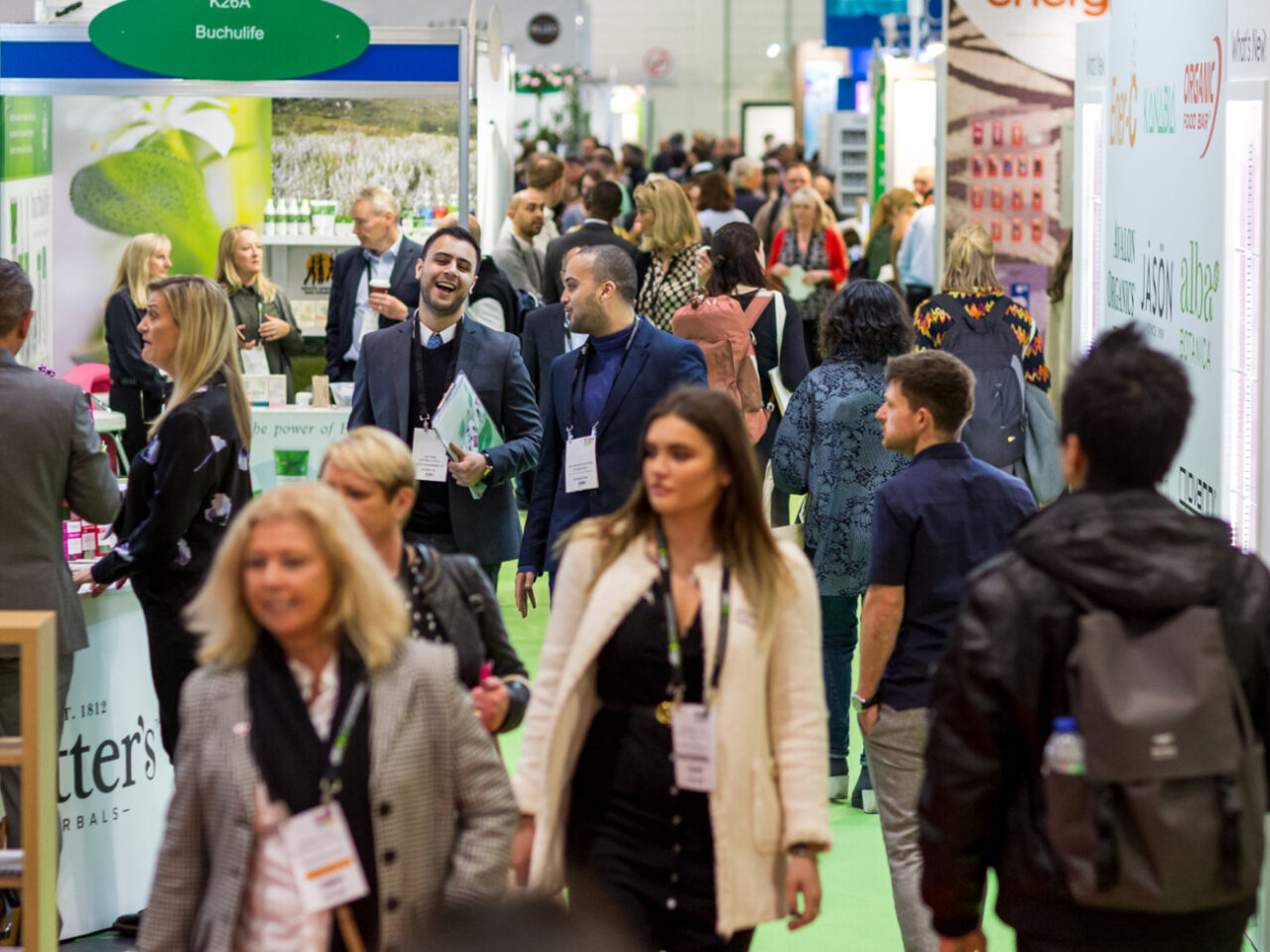
The organisers of the Natural & Organic Products Expo (NOPEX) have announced the event is to be discontinued.
In a statement, Diversified UK & Europe, organisers of NOPEX, said that in response to the rapidly evolving trading landscape, it has made the difficult decision to discontinue the natural wellness, health, and beauty sections of the event for the foreseeable future. The change follows two consecutive years of declining visitor numbers and reduced exhibitor participation, with Diversified advising that many companies in these sectors have shifted their focus to more specialised events, and the show has found it increasingly difficult to meet the expectations of both exhibitors and buyers.
At the same time, natural and organic food exhibitors have urged the organisers to co-locate the Natural & Organic Food Expo with these leading trade events. And so, the Natural & Organic Food Show will now become part of The London Food & Drink Shows, which will take place at Excel London on September 16-17, 2026.
Diversified explained that this new alignment will create a more powerful, targeted platform, bringing together the foodservice, hospitality, speciality retail, multiples and convenience sectors under one roof. It will also give natural and organic food a stronger presence within a major mainstream exhibition.
Carsten Holm, Managing Director of Diversified UK & Europe, commented: “We’ve listened closely to our community, and we’re excited to offer a more focused, impactful platform for the natural and organic food and drink sector as part of The London Food & Drink Shows. At the same time, it is with a heavy heart that we say goodbye to NOPEX and to the many friends and partners in the natural health and beauty sectors who have supported the event for over 30 years. NOPEX was once among the world’s premier trade shows for our sector, playing a pivotal role in the success of countless brands and serving as hub for the UK’s independent health food trade.
“On behalf of the entire team at Diversified, I want to sincerely thank everyone who has been part of this journey for your trust, support, and friendship. We hope to see many of you continue your involvement through the Natural & Organic Food Show.”
At the same time, Diversified has also announced that Natural Products Online (NPO), which was launched following the closure of the trade title, Natural Products News, is also to close.
Carsten added: “We are incredibly proud of the role NPO has played in supporting this vibrant community, and we are truly grateful to everyone who has read, contributed to, or supported it over the years. Thank you for being part of this journey. It has been an honour to share your stories.”

 Organic & Natural Business magazine