Posted by admin on February 22, 2020 · Leave a Comment
The organisers of the annual Veganuary campaign are celebrating after increasing the number of participants by more than 150,000.
The 2020 campaign, which took place in January, saw more than 400,000 people take the pledge, a huge rise on the 250,000 in 2019 and exceeding the target of 350,000 for 2020.
Hundreds of new plant-based products were launched, with sales exceeding expectations. Retailers also saw interest in vegan products soar, for example, M&S’ Plant Kitchen No Chicken Kiev sold at a rate of four every minute since it launched on January 2.
April Preston, Director of Product Development at M&S, commented: “Veganism is a trend that we are absolutely loving at M&S, and as our customers continue to experiment and adopt more flexitarian diets, we too are having fun creating new products to fit within this.”
In addition, more than 50 companies took part in the Veganuary Workplace Challenge, encouraging employees to try vegan and providing more vegan options in the workplace. And Veganuary launched its first-ever TV ad on major networks in five countries including Sky News in the UK.
Veganuary’s Head of Communications, Toni Vernelli, commented: “With the link between animal farming and the climate crisis making headlines nearly every day, we expected Veganury 2020 to be the biggest yet, but it exceeded all of our expectations. We applaud everyone who took part and encourage them to continue eating vegan food as often as possible. And we’re grateful to all of the businesses embracing Veganuary and making it easier for more people to eat more plant-based food more often.”
Posted by admin on February 17, 2020 · Leave a Comment
If our annual Organic & Natural Business Product Awards have told us anything it is that product innovation and excellence is alive and kicking in our sector.
With a hugely varied range of products in the running for one of our awards, and with some new categories introduced to reflect the sheer number of new launches we have seen, our awards have proved more popular than ever.
And it gives us great pride and delight to be able to reveal all those brands whose products have won a coveted accolade. The reasons for why retailers felt they should be a winner were varied, but all were rooted in their excellence, ethics and innovation. Many congratulations to those who won or were highly commended and we thank all retailers who took the time to vote- winners below:
Best Skin & Bodycare:
Winner – Salt of the Earth Natural Deodorant
Highly Commended – Weleda Skin Food collection
Best Personal Care:
Winner – Organ(y)c Sanitary Pads
Highly Commended – JASON Himalayan Pink Salt 2-in-1 Bath Soak & Body Wash
Best New Beauty & Healthcare:
Winner – ATTITUDE Living BULK to go Hand Soap Orange Leaves
Highly Commended – My Beauty & Go Beauty Sleep Shot
Best Healthcare:
Winner – Celtic Nutrition Healthy Heart with Plant Sterols
Highly Commended – Salus Floradix Vitamin B-Complex
Best New Food & Drink:
Winner – Organico Perfect Gluten-Free Pasta
Highly Commended – Plamil So free Vegan Cocoa Bites
Best Food:
Winner – Tiana Fairtrade Organics Odourless Cooking Butter
Highly Commended – Navitas Organic Cacao Sweet Nibs
Best Drink:
Winner – Veg of Lund My Foodie Organic Drinks
Highly Commended – Pukka Cacoa Maca Magic Herbal Latte
Best Household:
Winner – Natracare Safe to Flush Moist Tissues
Highly Commended – ATTITUDE Living BULK to go Bathroom Cleaner
Read about them all here
Posted by admin on January 21, 2020 · Leave a Comment
A new initiative designed to support advocacy for social justice, animal rights and environmental sustainability in the UK has been announced by Dr Bronner’s.
The natural soap brand has created the pilot programme, called All-One UK Initiative, which is an extension to the existing All-One International that seeks to ensure mission aligned advocacy is supported in the markets that Dr Bronner’s sells its products in. Through the initiative, at a minimum, one per cent of Dr Bronner’s sales to the UK market each year will be donated to local advocacy efforts in support of social justice, animal advocacy, and environmental sustainability.
The launch of the initiative in the UK market, as well as Germany, is a pilot programme for 2019.
Michael Bronner, President of Dr Bronner’s, explained: “In the UK, our distributors are deeply inspired by the extraordinary organisations we are supporting and are happy to help elevate awareness of these causes globally.”
By the end of 2019, Dr Bronner’s All-One UK will have donated to three highly effective organisations and initiatives within the country that are aligned with the company’s core focus areas; Animal Advocacy with Compassion in World Farming, Environmental Sustainability with UK Youth Climate Coalition, and Social Justice with Emmaus.
In addition to financial donations, the company has donated its soaps and other products to festivals, community and educational events, fundraisers, animal sanctuaries, and direct-action campaigns across the UK and around the world throughout the year.
Posted by admin on January 13, 2020 · Leave a Comment
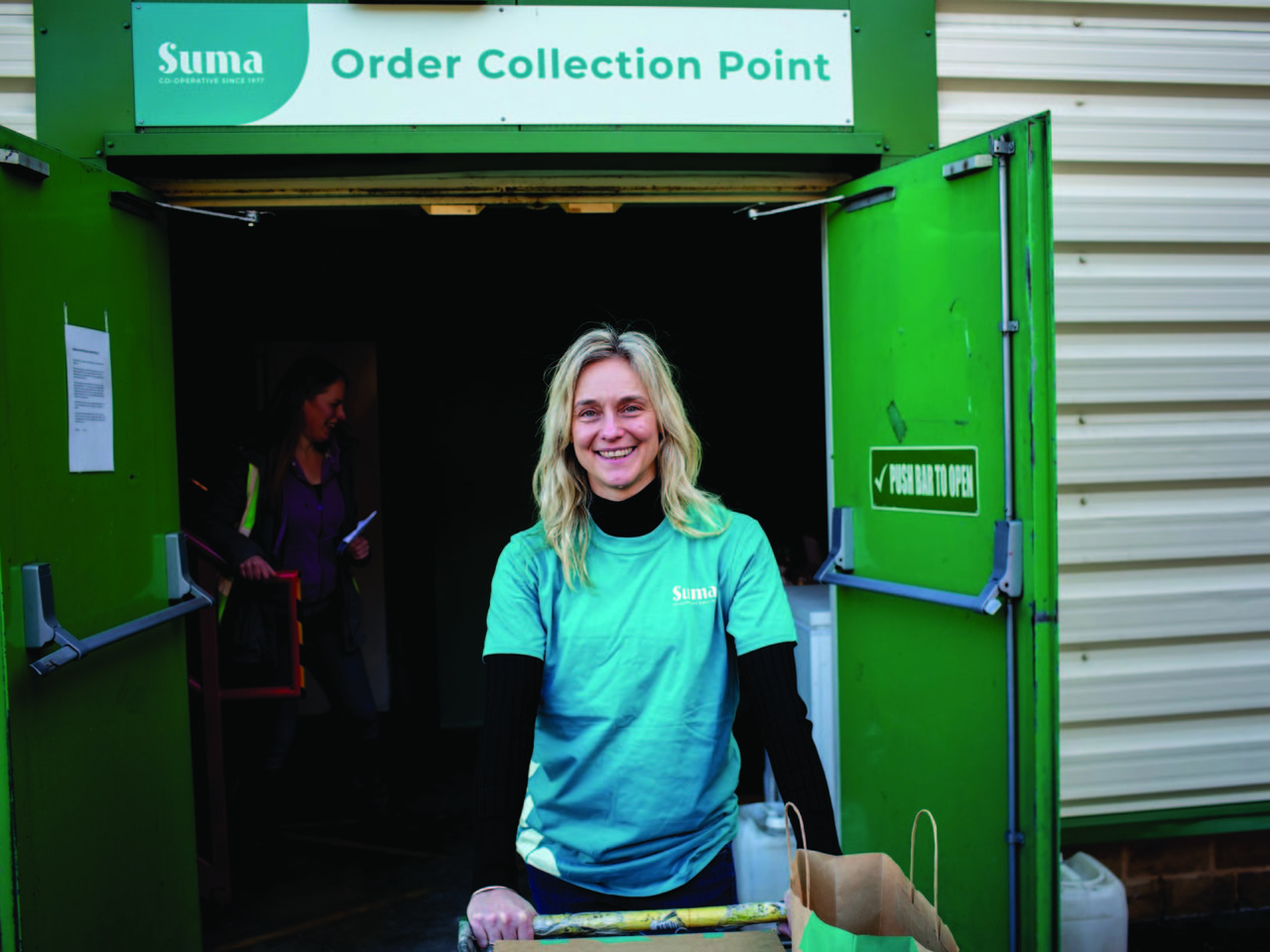
In recognition of its commitment to fair practices, Suma Wholefoods has been certified as a Fair Tax Mark Business.
The Fair Tax Mark certification scheme was launched in February 2014 to allow businesses that are paying tax in a responsible way to demonstrate this commitment to their customers, suppliers, investors and employees. Already, more than 50 businesses have been certified.
Emma Robinson, Compliance Coordinator at Suma, commented: “We are delighted to have received the Fair Tax Mark certification. Equality and sustainability are at the heart of what we do and having a fair and transparent approach to tax is key to being a responsible business. The Fair Tax Mark allows us to demonstrate that we have been independently assessed and found to have an exemplar approach to tax. Too often, tax is presented as a burden for businesses, but we’re proud to pay the tax we owe.”
Paul Monaghan, Chief Executive at Fair Tax Mark, added: “We are pleased to announce the Fair Tax Mark certification for Suma, one of the most well-known and fastest growing co-operatives serving customers across the UK and internationally. As part of the accreditation process, Suma has published a new tax policy that commits them to shun tax avoidance and to avoid the use of artificial tax havens. Suma already publish their full accounts and are committed to enhancing their tax reporting in the future. Their current tax charge is very much in line with the expected rate, averaging at 21 per cent over the last four years.”
Posted by admin on January 6, 2020 · Leave a Comment
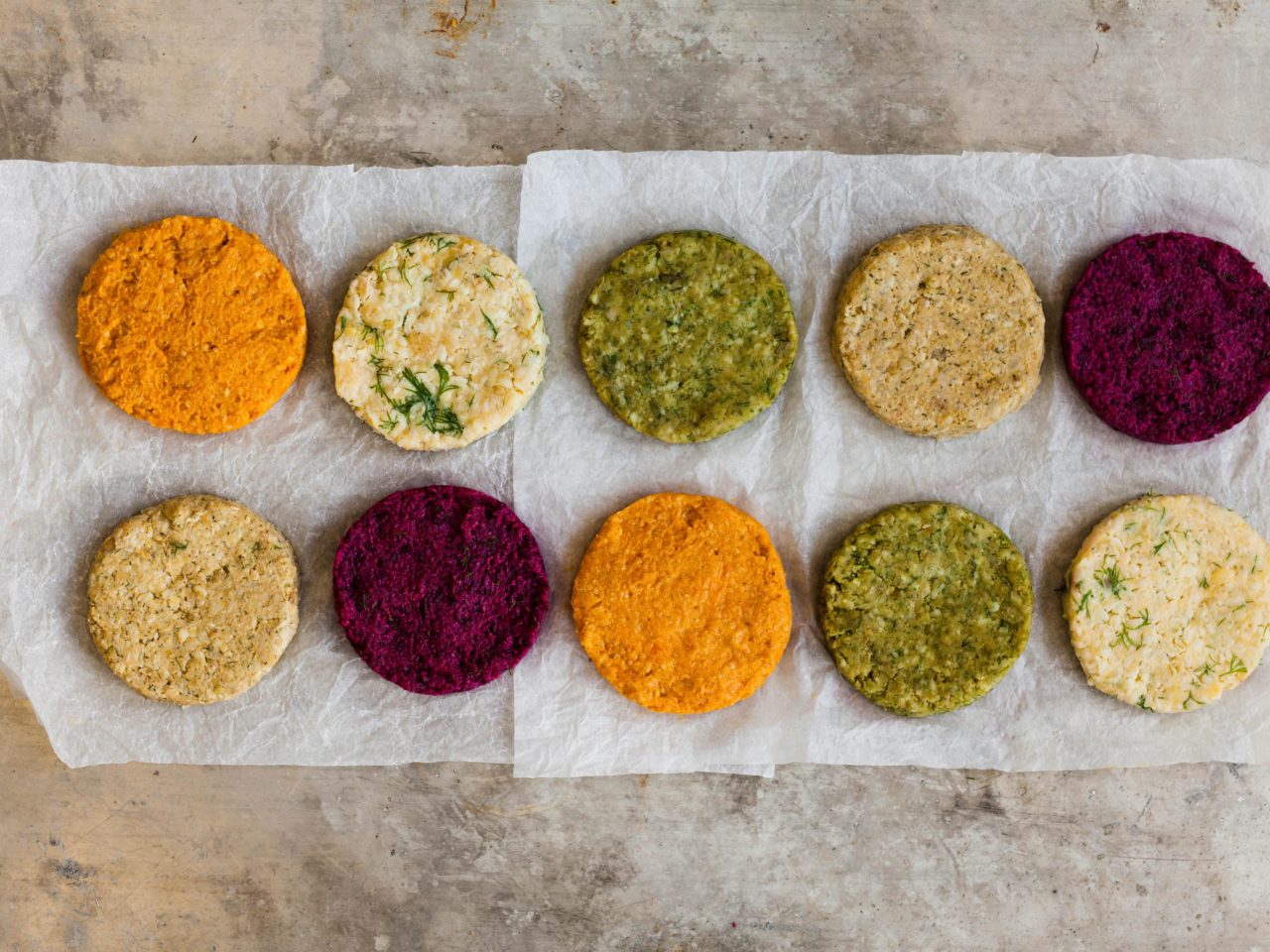
A proposal to ban the use of words such as sausage and burger to describe foods that don’t contain meat have been rejected.
Defra Minister of State, Zac Goldsmith MP, has written to the EU Energy and Environment Sub-Committee about a proposal from the European Parliament to ban the use of words like ‘sausage’ and ‘burger’ to describe foods that don’t contain meat, saying that he agrees that vegetarian food names are already clear. In his letter, he found that the Government should not put unnecessary barriers in the way of new foods being put on the market.
In June and July, the EU Energy and Environment Sub-Committee investigated a proposal from the European Parliament’s Committee on Agriculture and Rural Development to restrict the use of descriptions like sausage, burger and steak to apply only to products containing meat and not to vegetarian alternatives. The Committee wrote to the Government with concerns that the proposal did not have the evidence to justify it, would be costly for vegetarian businesses, and could put people off reducing their meat intake for health or environmental reasons.
The Minister has now replied to the Committee, acknowledging that: “Vegetarian sausages and burgers have been on the UK and European market for many years now and where they are clearly and honestly labelled, as the large majority are, consumers are not at all misled.”
He also agreed that existing legislation protects consumers from misleading information, and that it is important to avoid creating barriers for new foods.
The Committee has replied to the Minister and has asked for more details on the Government’s position if the proposal is put forward during negotiations on the Common Agricultural Policy reform.

 Organic & Natural Business magazine