
Weleda’s Jardin de Vie fragrances have scooped a top eco beauty award.
The 2017 CEW Beauty Awards – considered the Oscars of the beauty industry – saw Weleda win one of the prestigious Lalique trophies at the awards presentation, scooping the CEW Eco Beauty Award for its Jardin de Vie (Garden of Life) collection.
The objective of the CEW Eco Award is to encourage steps towards greater sustainability within the beauty industry.
Weleda’s Communications Director, Susie Fairgrieve, commented: “We are absolutely thrilled. Sustainability is at the heart of the Weleda business. It shapes not just new product development but each and every day-to-day decision within the business. It demands real commitment, and patience, as it takes time to develop organic farming partnerships, to raise crops, or to design more sustainable packaging.”
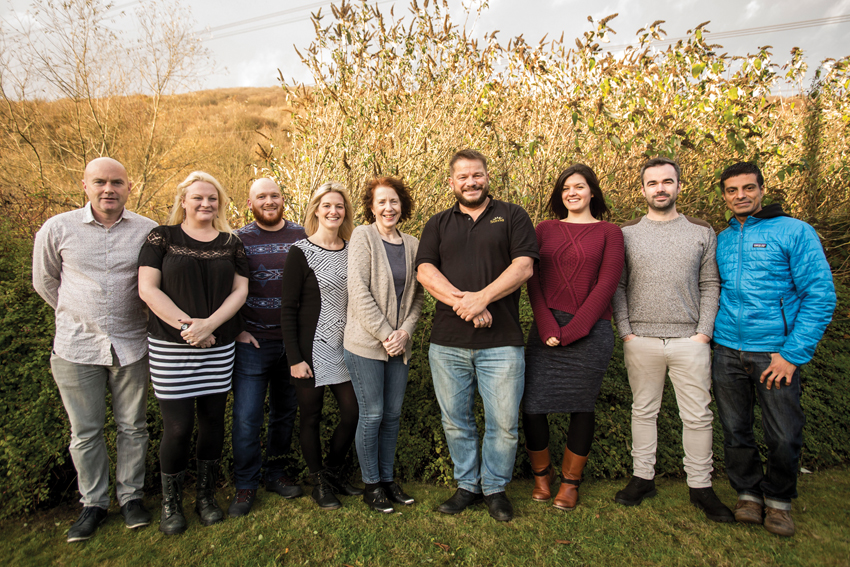
The worker’s co-operative, Suma, has been awarded the prestigious Queen’s Award for Enterprise in the International Trade category.
The Queen’s Awards are amongst the most prestigious awards in the UK, designed to celebrate outstanding achievements in business.
And as its marks 40 years in business in 2017, Suma has been recognised for strong, continued growth in international sales, as well as its co-operative ethos and great employment benefits, such as equal pay for all workers and flexible working.
Suma, an ethical wholefood wholesaler located near Halifax, in West Yorkshire, serves both the UK and export market with a range that extends to more than 7,000 lines of ambient, chilled and frozen goods. With a growing workforce of more than 250 people, the business contributes to local employment in the Calderdale area and brings many benefits to the local economy, such as providing £2,500 worth of food to support the victims of the Boxing Day floods that struck the area on Boxing Day 2015.
Stephen Newton, a member of Suma’s International Sales Team, commented: “We’re really thrilled at the amazing growth of our international sales, and that we can make delicious, ethical vegetarian food available to a wider audience. By winning this award, we’re proud to prove that our local business can hold its own against the big players in international trade.”
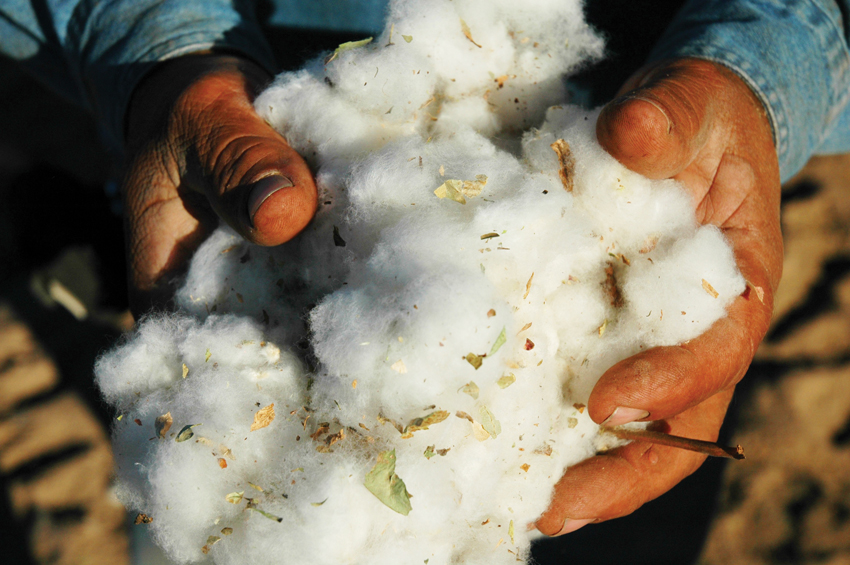
A new study has revealed that millions of farmers are not earning enough from conventional cotton farming.
That is according to the Fairtrade Foundation, which has revealed the results of new research, which was designed to provide fashion brands with a useful tool to improve the transparency of cotton sourcing and deepen understanding of their social and environmental responsibilities.
Following the research, the Fairtrade Foundation warned that unless cotton is farmed sustainably, its production leaves a heavy environmental and social toll, which will affect its long-term viability.
The study measured the environmental and social impacts on rural households in India, one of the world’s largest producers of cotton. The valuation tool translates environmental and social values into the language of business and economics. It converts impacts and dependencies into costs and benefits expressed in monetary terms. With an overall indication of cost and benefit, companies can identify trade-offs and synergies in a systematic way.
It found that the combined social and environmental costs of Fairtrade cotton farming are five times lower than that of conventional cotton farming. Data showed that the impacts of Fairtrade farming methods were 97 per cent lower for the social elements and 31 per cent lower for environmental components studied.
The most significant social advantage for Fairtrade farmers was having more income. The research compared community benefits from Fairtrade Premiums, fair wages, income for farmers, engagement of unacceptable labour practices, such as child labour and social cost of overtime. It revealed that Fairtrade cotton farmers tend to have lower social costs, and higher social benefits such as fairer wages and investment in local schools.
Fairtrade cotton performed significantly better than conventional for all environmental KPIs cotton. Areas surveyed included land use, water pollutants, water use, GHG emissions and soil pollutants.
Subindu Garkhel, Cotton Manager at the Fairtrade Foundation, said: “Cotton is an integral part of our lives, from the sheets on our beds to the identity we project through the clothes we wear. Not only that, but cotton also provides livelihoods for millions across the globe. But there is a strong cost for people and planet with cultivating the cotton that goes into our clothes, and our study shows that is markedly higher for conventional cotton farming.
“This research illustrates how Fairtrade empowers farmers to decide their own future, is better for their communities and has a substantially lower footprint than conventional cotton.”
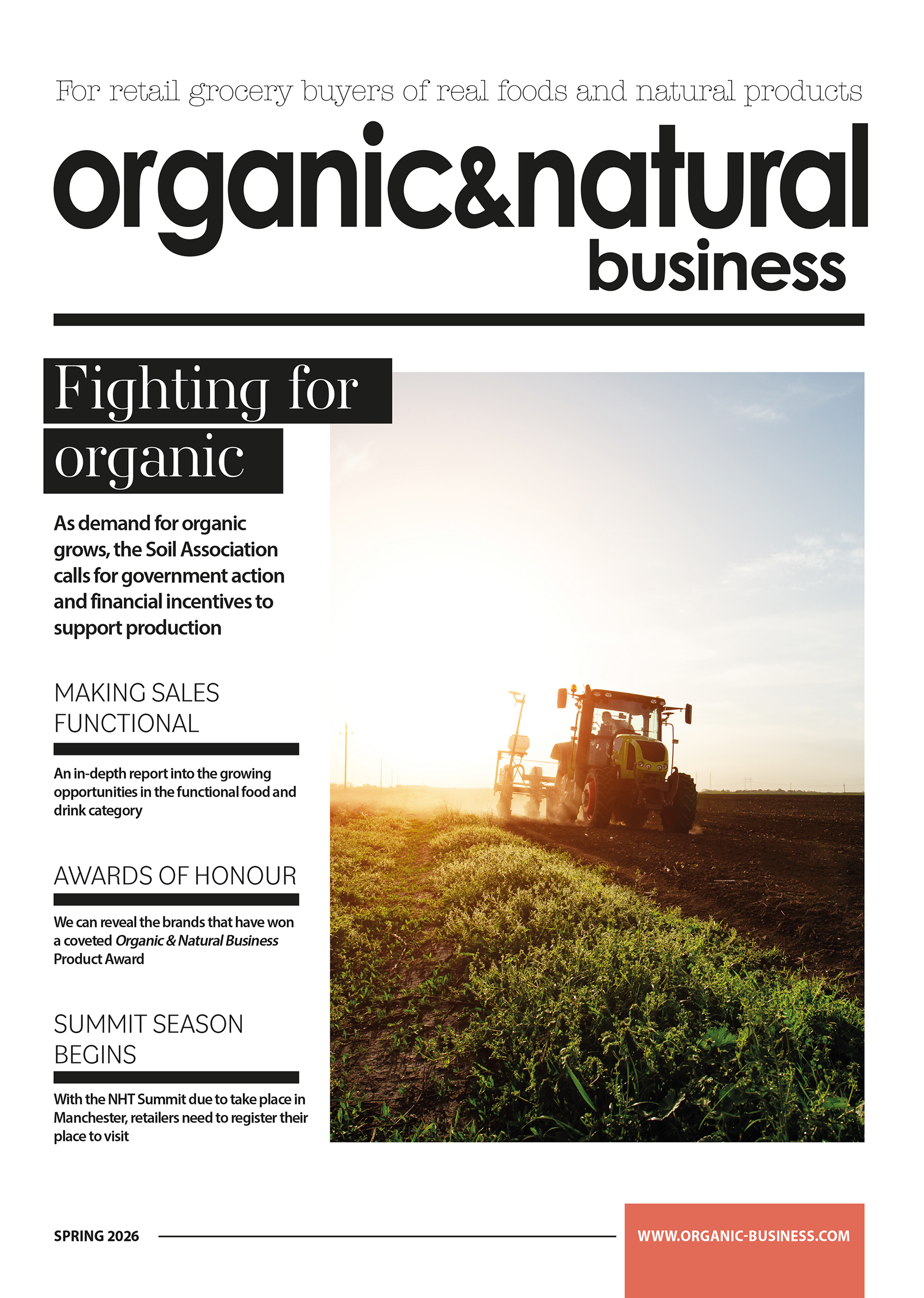


 Organic & Natural Business magazine