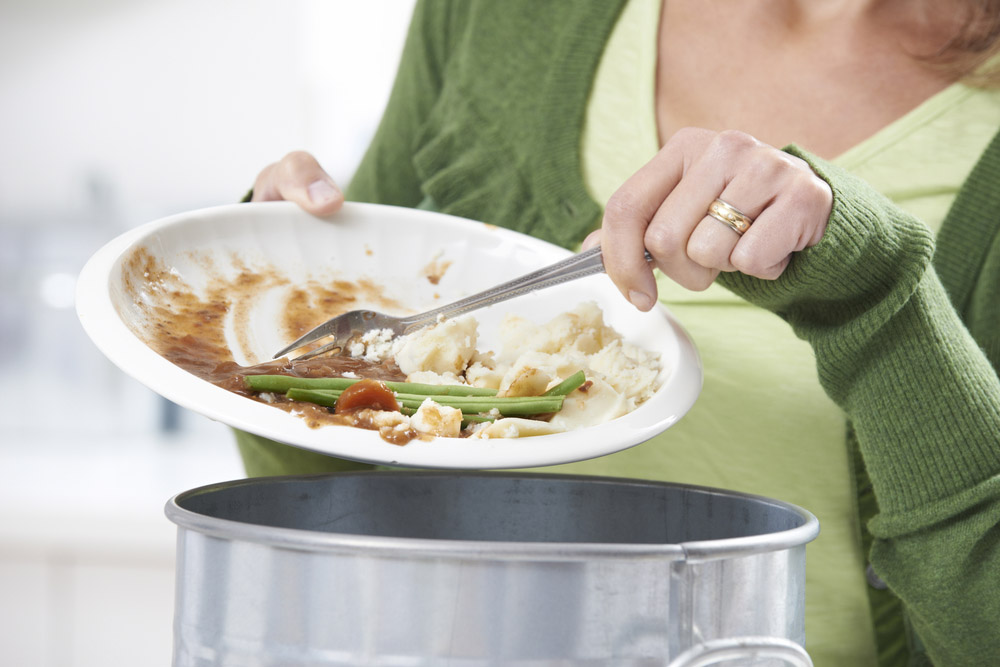
Issues around the UK’s waste crisis highlighted by Hugh Fearnley-Whittingstall have provoked debate.
The acclaimed River Cottage chef has been fronting a documentary series, called War on Waste, which has raised his concerns about the startling volume of food wasted every year in the UK.
Through a barrage of damning statistics, Hugh has shed light on some truly eye-opening figures, from reports identifying that as much as 30 per cent of all UK vegetable crops are not harvested – due to failing to meet supermarkets’ exacting standards based on their physical appearance – to the true scale of food wasted by businesses across the food supply chain.
Commenting on the issues raised in the programme, Philip Simpson, Commercial Director at ReFood, said: “As well as raising widespread awareness about the huge amount of food wasted in the UK, Hugh Fearnley-Whittingstall’s War on Waste documentary sparked some powerful discussions surrounding food production, manufacture and supply.
“From production to consumption, Hugh identified areas in the supply chain where we currently waste the greatest volume of food, and slammed supermarkets for failing to stock edible produce simply due to its appearance. Importantly, he also identified that retailers don’t donate all their surplus edible food to local charities, instead throwing bins and bins worth of edible food away each day.
“Discussing the benefits of redistribution charities and reducing waste across production and processing, the key takeout for viewers was a greater awareness of avoidable food waste, as well as how small changes – such as expanding the size and shape of homegrown fruit and vegetables – could have a hugely positive impact in the UK and further afield.”
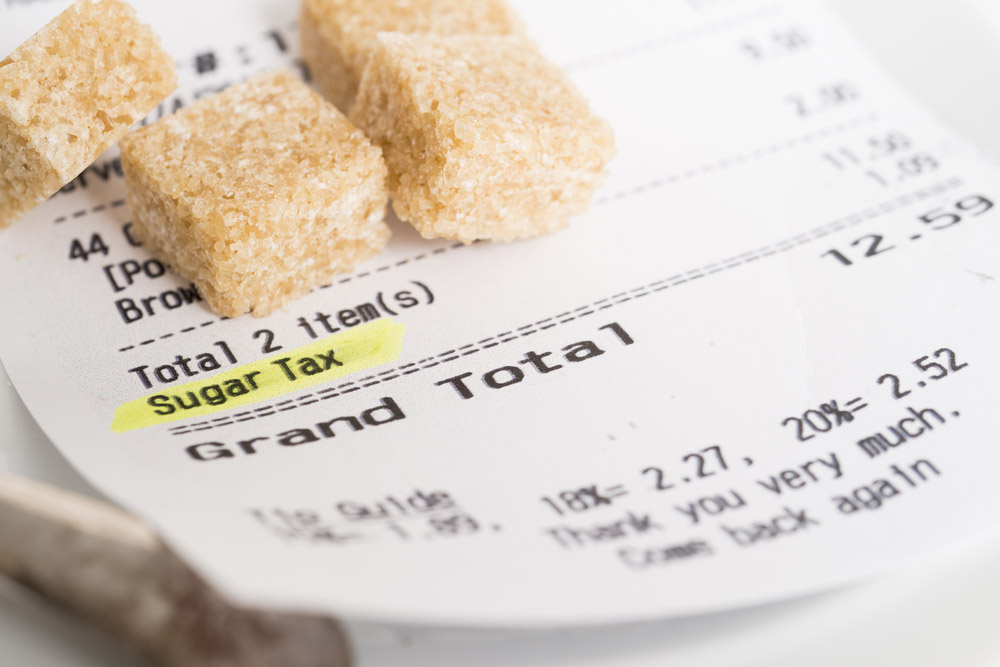
A research organisation has revealed that consumer opinion on implementing a sugar tax in the UK is mixed.
Recently, celebrity chef Jamie Oliver has been lobbying the Government to implement a Sugar Tax on sugary foods and drinks, and in light of this, Future Thinking, the business intelligence research consultancy, has carried out a survey and analysed the results of over 1,700 respondents across the UK, asking whether they would be in favour of this tax.
The poll revealed that 35 per cent were in favour of the introduction of a sugar tax, 49 per cent of respondents were against the introduction while 16 per cent didn’t know.
The difference in attitudes between males and females was marginal, with 38 per cent of men compared to 32 per cent of women being in favour, and 51 per cent of males versus 49 per cent of females being against it.
Results indicate that older generations are more in favour of the introduction of a sugar tax (36 per cent of 55+ compared to 27 per cent of under 18s). The over 55+’s group are also more decisive in terms of forming an opinion, with just 12 per cent who didn’t know whether a tax should be introduced, contrasting with 27 per cent of under 18s.
Claudia Strauss, Managing Director at Future Thinking, commented: “Consumers are clearly unaware as to how a sugar tax would be implemented, the types of products it may affect and the impact it could have on their shopping habits. As shown in the Shopper Barometer, since 2008, attitudes towards spending have changed and consumers are now more cautious. If they feel the tax would impact directly on them, there may be a negative reaction to an increased spend, regardless of the health benefits.
“In addition, there is still a great deal of confusion when it comes to what constitutes healthy eating. As indicated in the Grocery Eye survey, this extends to the role sugar plays in people’s diets and is compounded by numerous and often contradictory health messages consumers are bombarded with. Some may also feel that a tax would not contribute to a direct health benefit and feel there is a need for more education to understand what is truly good for us.”
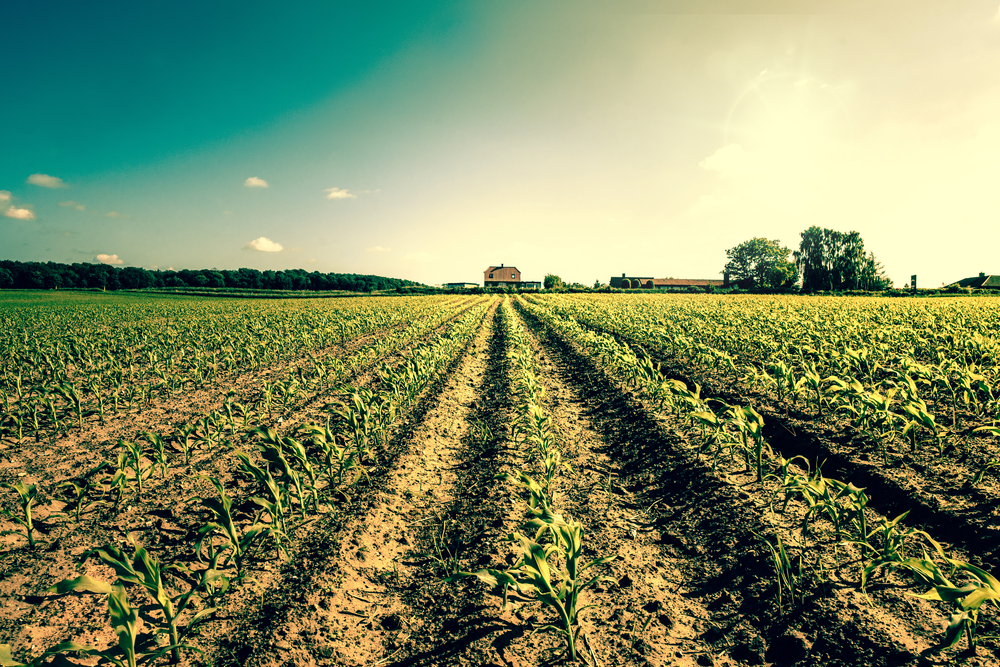
The Vegan Society believes that action on rural livelihoods and climate change emissions from farming is urgently needed.
The organisation has spoken out following the recent appointment of Kerry McCarthy MP, a vegan for over 20 years, as the new Shadow Secretary for Environment, Food and Rural Affairs.
The Vegan Society says that recognising the strengths and diversity of the UK’s plant-based agriculture is fundamental to tackling these issues.
“We have the utmost confidence in Kerry McCarthy in her new role as the shadow Defra Minister. We will also seek to work more closely with the Government Defra Minister, Liz Truss, and hope that cross-party agreements can be reached on various issues, farmers’ livelihoods in particular,” commented Jasmijn de Boo, CEO of The Vegan Society.
“There is common ground; we all want environmental and food sustainability, and a long-term future for farmers. McCarthy’s track record of compassion in the Commons is conducive for far greater discussion on these very issues. We support farmers and growers, and now is the time to act. Government subsidies for farmers wishing to move towards sustainable crop farming is the best next step.”



 Organic & Natural Business magazine